

News
December 2025
Upcoming Exhibitions in 2026
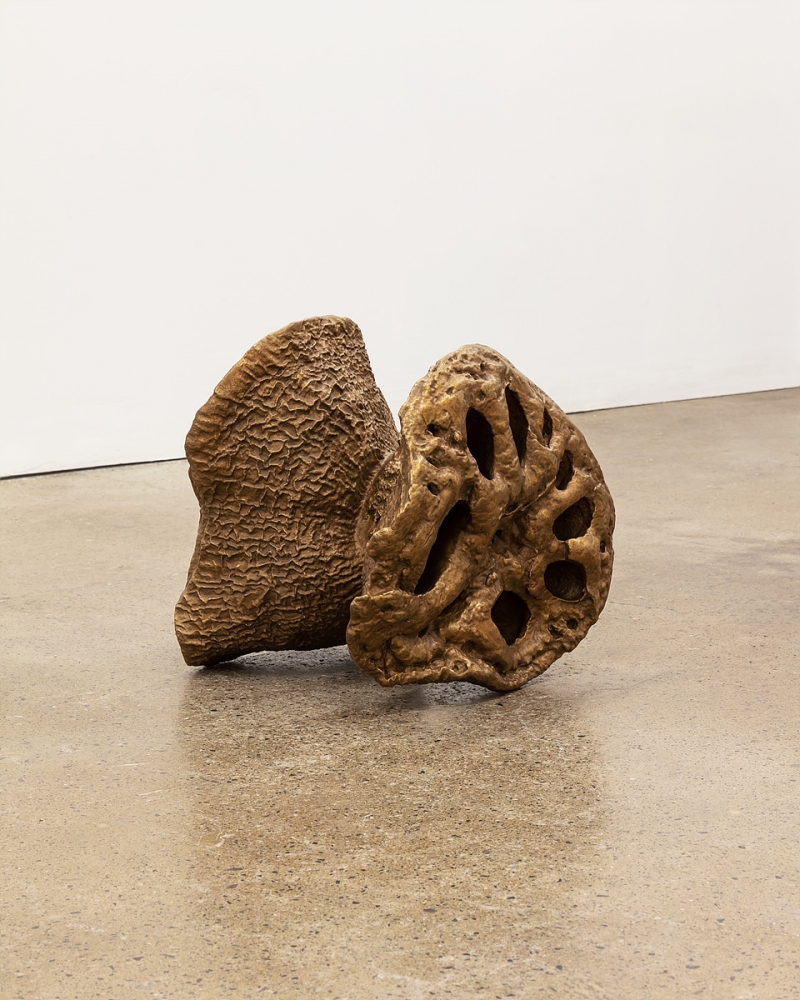
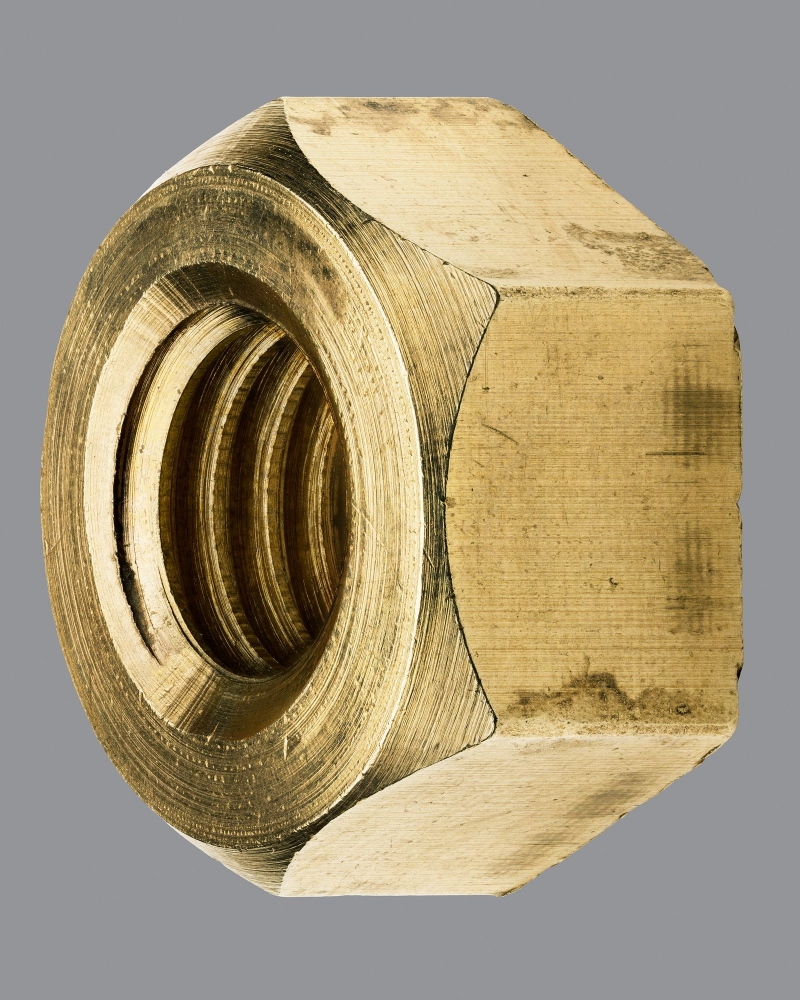
Kukje Gallery opens 2026 with two solo exhibitions in the first half of the year. In the gallery’s Hanok and K3 spaces, Kukje Gallery will present the first solo exhibition in Korea by Korean-Canadian artist Lotus L. Kang. Titled Chora, the exhibition draws on the atmospheric conditions of the Hanok’s inner courtyard—an open void held within architectural borders—as a point of departure, quietly carrying its sensibility into the corresponding site in K3. Known for her sculptural, photographic, and installation-based practice, Kang works with inherently mutable materials, such as surfaces that absorb or reflect light and register shifts in movement. This sensitivity to phenomenology allows her media to remain open to change and continuous transformation. Through this sensibility, she approaches both venues as responsive architectures that shift and echo across distance, where distinctions between interior and exterior, the natural and the constructed blur and intermingle. Her work reflects an ongoing meditation on permeability—of bodies, materials, and spaces—and the drifting formations through which memory and identity continually take shape.
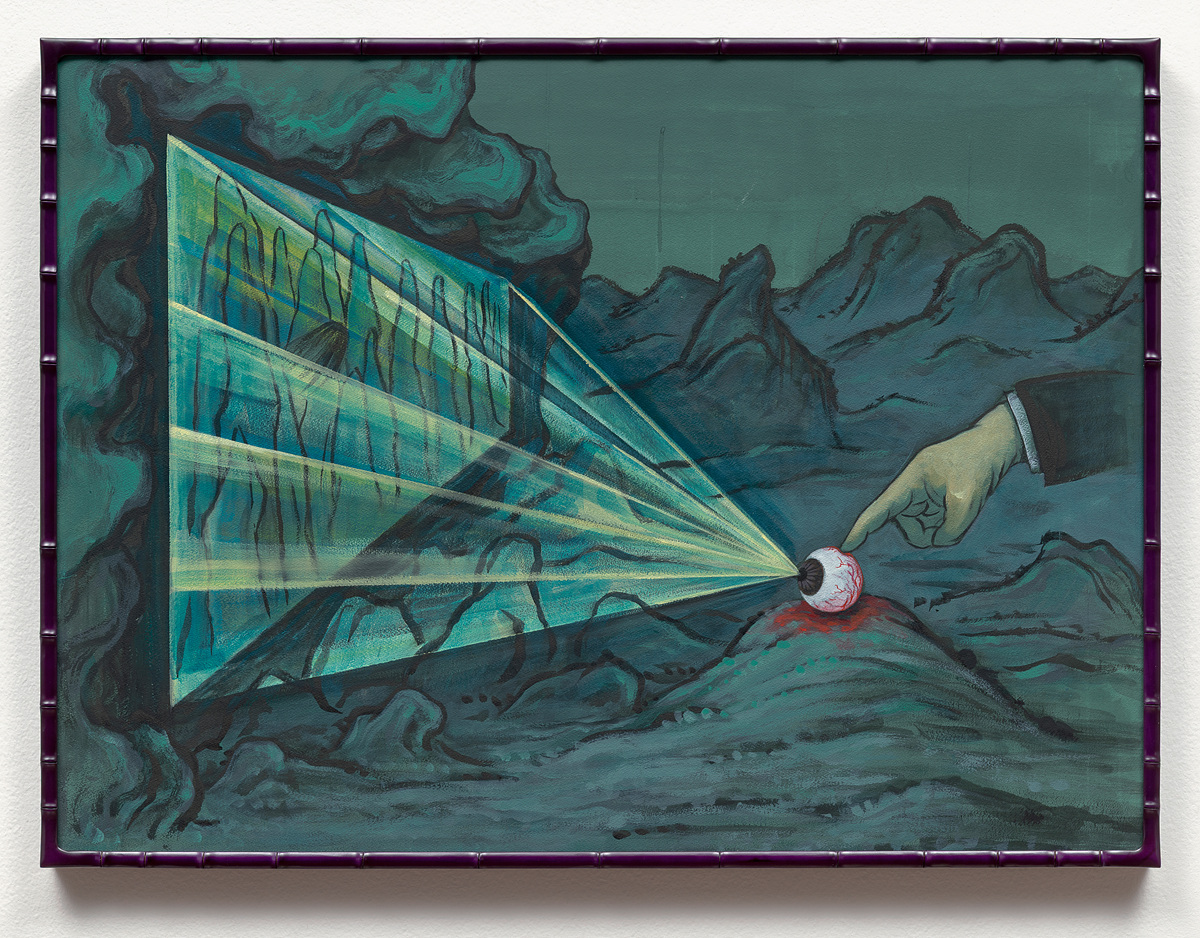
Also, Park Chan-kyong’s solo exhibition Zen Master Eyeball will open in the K1 space. Over the past three decades, Park has examined modernity in Korea and East Asia through an incisive lens, focusing on national division, the Cold War, and vernacular belief systems. The exhibition will bring together more than twenty new paintings, marking a shift from Park’s previous practice centered on writing, photography, film, and installation. By interpreting and appropriating motifs from Korean folk painting and Buddhist temple murals, Park seeks to unsettle the notion of “traditional culture” as something fixed or comfortably contained. Works such as Goransa Temple (2024), Baekyangsa Temple (2025), Zen Master Eyeball (2025), and Zen Master Hyetong (2025) are inspired by visits to various temples and adapted from Seon Buddhist traditions, highlighting the unusual expressions embedded in temple imagery. Themes include fervent longing, the wisdom of “No dependence on words and letters,” and gestures toward transcendence. In his new series including Scroll (2025), Greetings (2025), and Strange Rock Universe (2025), Park departs from the decorative conventions and mannerisms of folk painting to imagine an untamed cosmos filled with animate matter. Park’s new works consciously adopt the formats of Buddhist hanging scroll painting, folk painting, and comics, and deliberately suppress his own artistic signature to give an impression that the works were painted by an anonymous artist. The new works challenge questions of originality, suggesting that it is formed collectively through imageries that have been shared, repeated, and transmitted within a community.
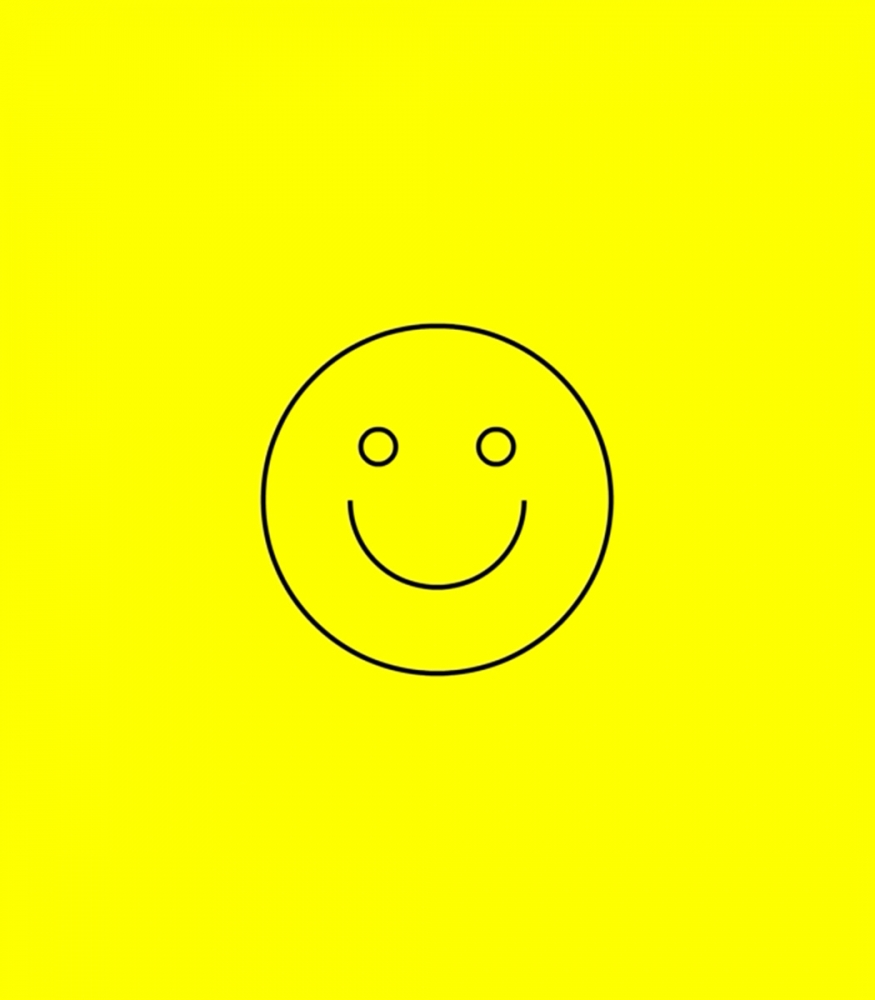
In the meantime, Kukje Gallery will present On the Move, a solo exhibition by Hong Seung-Hye at the Busan space. In her 2023 solo exhibition Over the Layers II in Seoul, the artist signaled a pivotal shift by moving beyond a pixel-based visual language toward more flexible forms of vector graphics. The upcoming exhibition in Busan brings together works that trace her exploration of movement, spanning from her two-dimensional image created in the early 2000s to later developments in animation and performance. The title of the exhibition, On the Move, encapsulates this ongoing focus on transition and flow—not only the continual movement of images within her works, but also the shifts in form, medium, and perceptual sensibility that define her practice. It further reflects the medium of video and its inherent sense of movement, suggesting an open-ended trajectory for the artist’s future developments. This exhibition centers on the “moving image,” a core axis of Hong’s practice. Her geometric forms, conceived on the computer screen, acquire a sense of temporality as they move across the frame, generating sensory and emotional resonance without relying on narrative. The inherent mobility of video and the way it unfolds over time align closely with Hong’s long-standing interest in structure, rhythm, and compositional arrangement. Much like arranging musical notes, she constructs movement through the sequencing of images. The sense of movement, transition, and continual becoming that characterizes her imagery is expected to result in new directions in the exhibition.
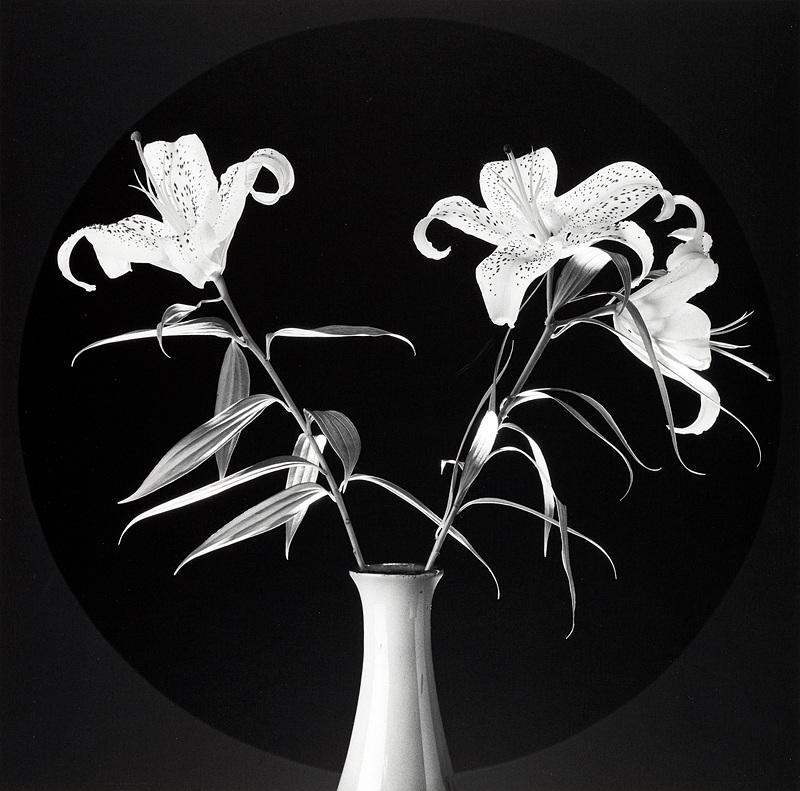
In early summer, a solo exhibition of Robert Mapplethorpe will take place in Hanok. Celebrated by critics and artists around the world as a master photographer while also bravely standing at the center of various controversies regarding censorship in art, Mapplethorpe traversed a wide range of subjects that defined the late 20th century. From sensuous still lifes to celebrity portraits, his work challenged boundaries, especially in his more graphic works that explored sexuality, which continues to provoke and inspire audiences. This exhibition seeks to move beyond the social reverberations sparked by this collision between art and taboo, focusing instead on his formal genius and artistic voice. Centering particularly on portraiture and still lifes, including his iconic floral images, the exhibition highlights the meticulously framed compositions and exquisite balance that underlie his oeuvre, independent of the timeliness or notoriety of its subjects.
At the same time, Kukje Gallery is excited to present a group exhibition in K1 and K2 curated by Koo Bohnchang, an artist widely celebrated for his instrumental role in shaping the trajectory of contemporary Korean photography. Photography, by its very nature, has always been closely intertwined with technology. Having passed through the era of Photoshop and now entered the age of artificial intelligence (AI), the distinctions between images captured directly through the lens and those manipulated by new technologies have grown increasingly elusive. The exhibition seeks to reaffirm the fundamental importance of observing and recording the world. Centered around traditional still-life works by Korean photographers active since the 2000s, the exhibition shifts its emphasis away from particular photographic techniques and instead focuses on the “lens,” the core component of the camera, as a means of observing objects and exploring their material presence. Featuring works that depict familiar yet quietly enduring subjects, the exhibition invites viewers to consider the ways in which the existence of a thing is revealed, reflecting on new modes of seeing and thinking through the photographic image.
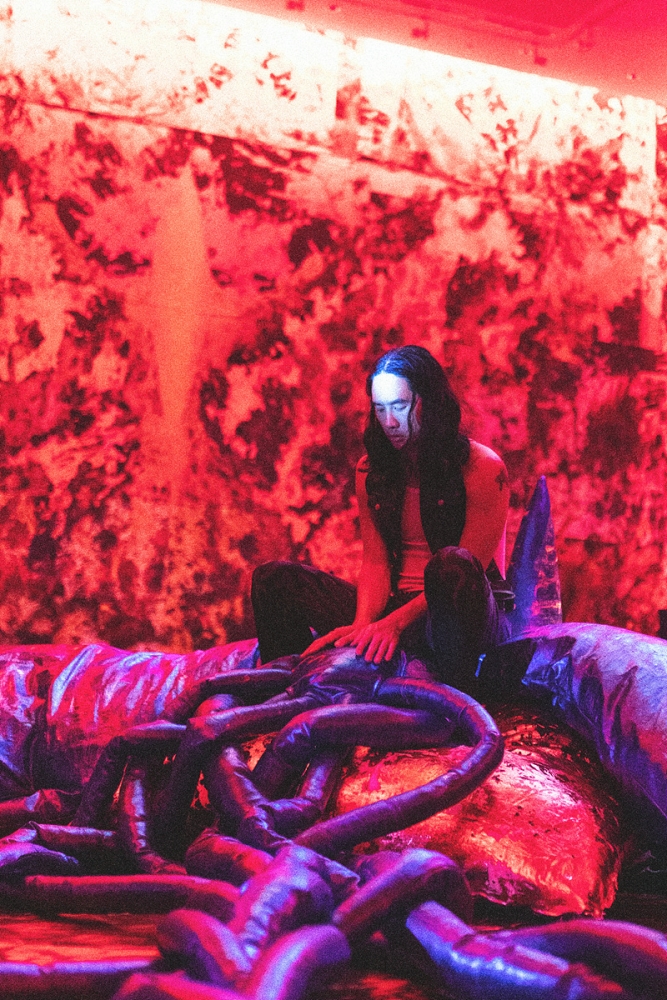
The second half of 2026 begins with a solo exhibition in Busan by Korakrit Arunanondchai, an artist whose practice moves fluidly across video, performance, painting, and installation. Combining a wide range of idioms and materials with remarkable precision, Arunanondchai has consistently posed fundamental questions about existence and meaning—spanning the personal and the collective, life and death, and various systems of belief. The artist has also been active as the co-founder and curator of “Ghost,” a Bangkok-based festival dedicated to video and performance, which concluded its final edition last fall. In his upcoming Busan exhibition, Arunanondchai will revisit the video works he created over the years, using them as a starting point to further explore and expand the possibilities of his deeply personal moving-image language.
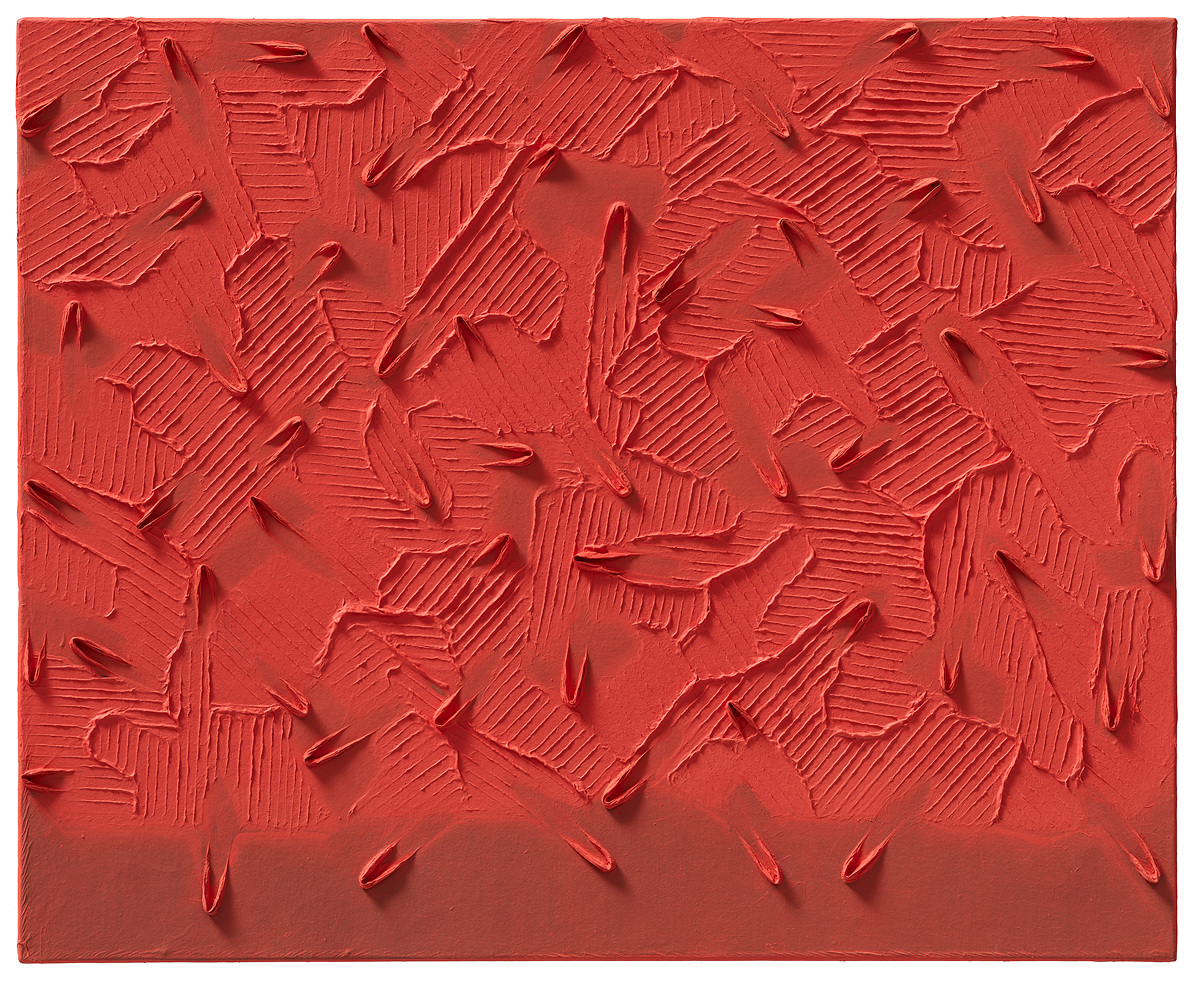
In the late summer, the gallery will present a major solo exhibition of Park Seo-Bo, marking the third year since his passing. Spanning the K1, K3, and the Hanok spaces, the exhibition will take the artist’s remark, “If one does not change, one falls. Yet if one changes, one also falls,” as its starting point. Powerfully capturing Park’s philosophy, the statement highlights the painter’s insight that only after years of rigorous discipline could an artist develop their own unique voice. For Park, it was only after he had honed his senses and solidified his convictions that he could introduce a new body of work to the world. His attitude formed the core principle of his artistic universe and the aesthetic ethic that permeated his entire life. Following the arc of transformation from his first Écriture pencil works from 1967 to his final newspaper Écriture series of 2023, the exhibition traces more than fifty years of evolution. Rather than presenting this evolution as a simple chronology of stylistic variations, this comprehensive exhibition will illuminate Park’s “philosophy of change,” exploring how it was shaped by the interplay of thought and body, material and environment, resulting in the many distinctive phases of the artist’s practice. Ultimately, the exhibition will present a poignant meditation on what “change” meant to Park Seo-Bo, and how the combination of discipline and openness became a driving force in his remarkable life.
During this same period, the first solo exhibition of Seeun Kim will open in the K2 space. Kim’s paintings focus on today’s urban environment—an ever-shifting landscape continually reorganized by the forces of economic value and efficiency—and confront the spatial and temporal transformations that inevitably arise within it. In a city where changes outpace one’s ability to form an understanding, the artist examines the countless moments in which individuals are compelled either to adapt or to resist. Kim searches for new visual vocabulary while exploring the questions that emerge from encounters through physical and mental engagements. The recurring systems and rules that constitute the “city in transition” become a crucial medium, through which the artist perceives her own sense of place in society. Within this context, she turns her attention to states that have not yet been defined, consequently creating dynamic compositions through a pictorial language that explores the before-and-after of a cityscape in constant flux.
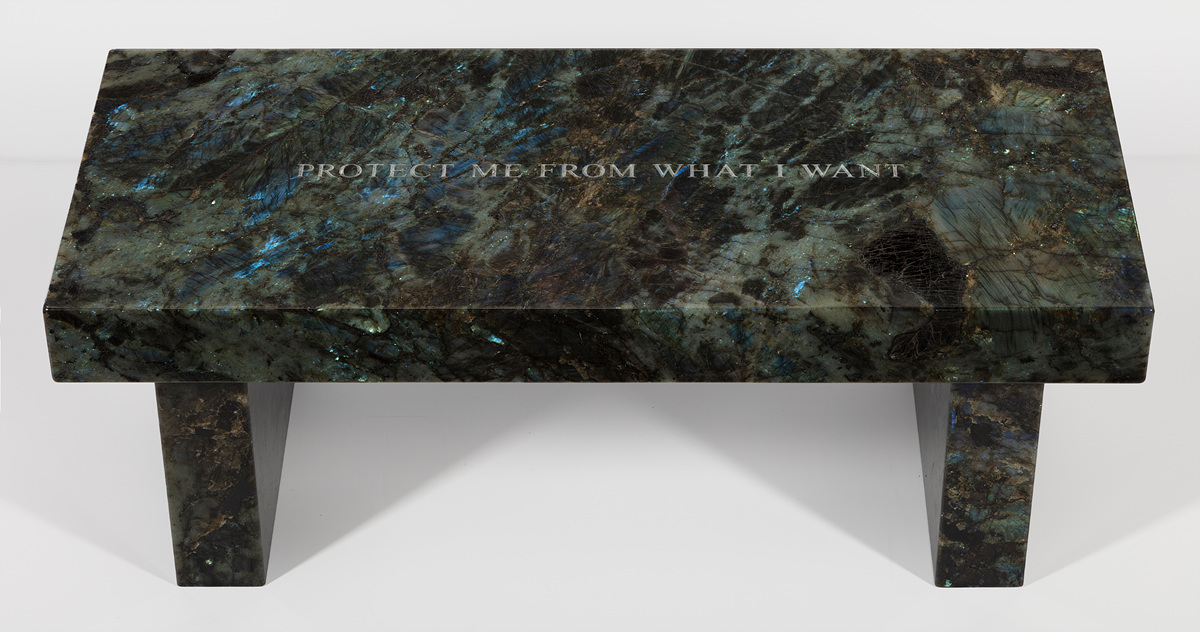
Towards the end of the year, Kukje Gallery looks forward to hosting a solo exhibition of Jenny Holzer in the Hanok space. For more than four decades, Holzer has used language as her primary medium. It is through incisive aphorisms and poetic texts that she engages with pressing social issues and injustices. The texts she presents compel viewers to confront the social urgencies of their time, creating public spaces that are at once stark and emotional. Her concise, incisive statements, which often prompt reflection of everyday power dynamics, have appeared on surfaces of varied materiality and scale, including LED displays, marble, building facades, and clothing. In this exhibition, situated within the more intimate setting of Hanok, the artist once again invites viewers to read and contemplate political and personal texts at shifting distances as they construct their own sense of balance between the individual and the collective.
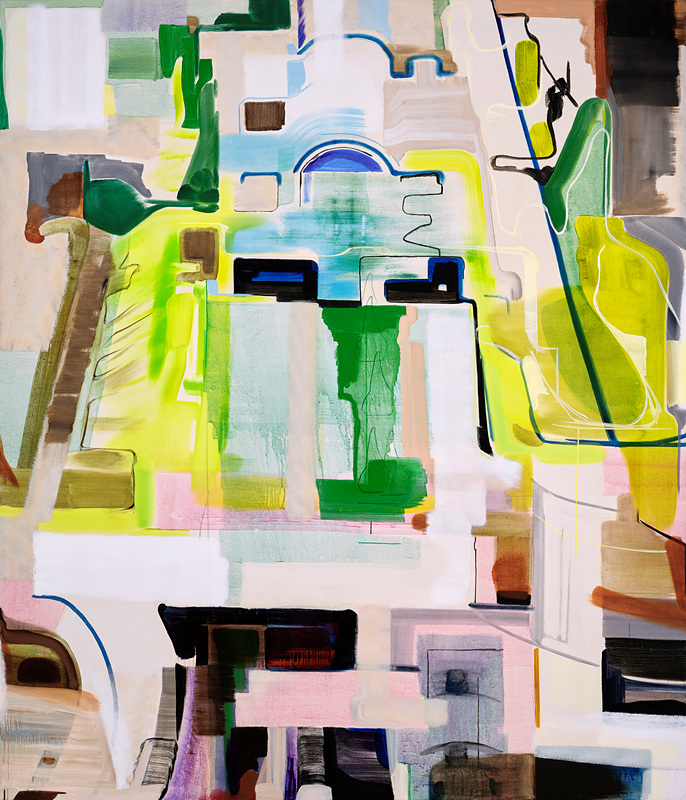
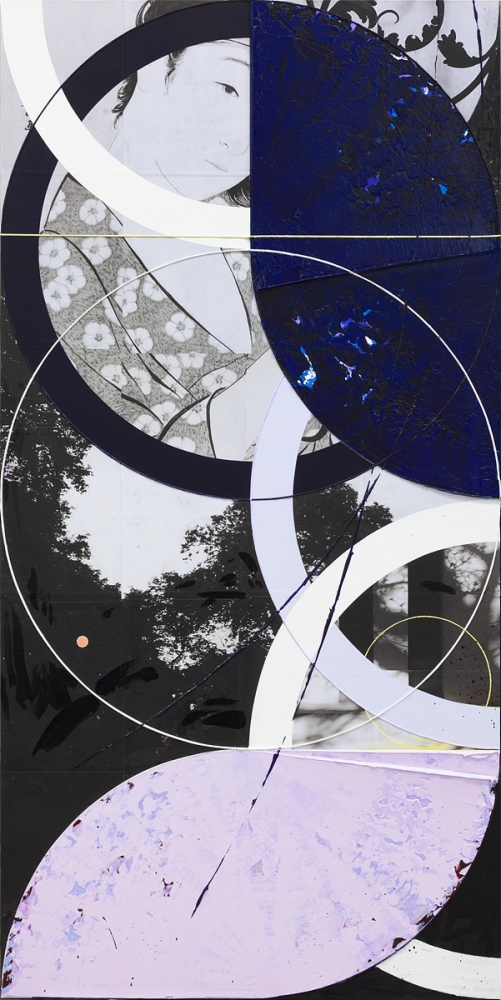
Coinciding with the Hanok exhibition, Heejoon Lee will present a solo exhibition of his mixed media works in the K1 and K2 spaces. Closely observing the rapidly accelerating digital environment of contemporary society, Lee explores the role and sustainability of painting, reinterpreting the methodologies of photography and sculpture to depict a range of experiences drawn from urban and architectural spaces. Images of the city collected by the artist’s phone transform into blueprints for painting, using a combination of traditional media and inkjet printing, where his A4-sized black-and-white printouts become the foundation for visualizing a multilayered landscape that encompasses disparate times and spaces. Lee configures these disparate elements on the canvas using a vocabulary of bold lines and circular forms that intersect with strata of accumulated paint and printed imagery. Together, these formal strategies organize his stunning compositions, merging heterogeneous materials with powerful depictions of energy and diverse subject matter.
Also, Park Chan-kyong’s solo exhibition Zen Master Eyeball will open in the K1 space. Over the past three decades, Park has examined modernity in Korea and East Asia through an incisive lens, focusing on national division, the Cold War, and vernacular belief systems. The exhibition will bring together more than twenty new paintings, marking a shift from Park’s previous practice centered on writing, photography, film, and installation. By interpreting and appropriating motifs from Korean folk painting and Buddhist temple murals, Park seeks to unsettle the notion of “traditional culture” as something fixed or comfortably contained. Works such as Goransa Temple (2024), Baekyangsa Temple (2025), Zen Master Eyeball (2025), and Zen Master Hyetong (2025) are inspired by visits to various temples and adapted from Seon Buddhist traditions, highlighting the unusual expressions embedded in temple imagery. Themes include fervent longing, the wisdom of “No dependence on words and letters,” and gestures toward transcendence. In his new series including Scroll (2025), Greetings (2025), and Strange Rock Universe (2025), Park departs from the decorative conventions and mannerisms of folk painting to imagine an untamed cosmos filled with animate matter. Park’s new works consciously adopt the formats of Buddhist hanging scroll painting, folk painting, and comics, and deliberately suppress his own artistic signature to give an impression that the works were painted by an anonymous artist. The new works challenge questions of originality, suggesting that it is formed collectively through imageries that have been shared, repeated, and transmitted within a community.
In the meantime, Kukje Gallery will present On the Move, a solo exhibition by Hong Seung-Hye at the Busan space. In her 2023 solo exhibition Over the Layers II in Seoul, the artist signaled a pivotal shift by moving beyond a pixel-based visual language toward more flexible forms of vector graphics. The upcoming exhibition in Busan brings together works that trace her exploration of movement, spanning from her two-dimensional image created in the early 2000s to later developments in animation and performance. The title of the exhibition, On the Move, encapsulates this ongoing focus on transition and flow—not only the continual movement of images within her works, but also the shifts in form, medium, and perceptual sensibility that define her practice. It further reflects the medium of video and its inherent sense of movement, suggesting an open-ended trajectory for the artist’s future developments. This exhibition centers on the “moving image,” a core axis of Hong’s practice. Her geometric forms, conceived on the computer screen, acquire a sense of temporality as they move across the frame, generating sensory and emotional resonance without relying on narrative. The inherent mobility of video and the way it unfolds over time align closely with Hong’s long-standing interest in structure, rhythm, and compositional arrangement. Much like arranging musical notes, she constructs movement through the sequencing of images. The sense of movement, transition, and continual becoming that characterizes her imagery is expected to result in new directions in the exhibition.
In early summer, a solo exhibition of Robert Mapplethorpe will take place in Hanok. Celebrated by critics and artists around the world as a master photographer while also bravely standing at the center of various controversies regarding censorship in art, Mapplethorpe traversed a wide range of subjects that defined the late 20th century. From sensuous still lifes to celebrity portraits, his work challenged boundaries, especially in his more graphic works that explored sexuality, which continues to provoke and inspire audiences. This exhibition seeks to move beyond the social reverberations sparked by this collision between art and taboo, focusing instead on his formal genius and artistic voice. Centering particularly on portraiture and still lifes, including his iconic floral images, the exhibition highlights the meticulously framed compositions and exquisite balance that underlie his oeuvre, independent of the timeliness or notoriety of its subjects.
At the same time, Kukje Gallery is excited to present a group exhibition in K1 and K2 curated by Koo Bohnchang, an artist widely celebrated for his instrumental role in shaping the trajectory of contemporary Korean photography. Photography, by its very nature, has always been closely intertwined with technology. Having passed through the era of Photoshop and now entered the age of artificial intelligence (AI), the distinctions between images captured directly through the lens and those manipulated by new technologies have grown increasingly elusive. The exhibition seeks to reaffirm the fundamental importance of observing and recording the world. Centered around traditional still-life works by Korean photographers active since the 2000s, the exhibition shifts its emphasis away from particular photographic techniques and instead focuses on the “lens,” the core component of the camera, as a means of observing objects and exploring their material presence. Featuring works that depict familiar yet quietly enduring subjects, the exhibition invites viewers to consider the ways in which the existence of a thing is revealed, reflecting on new modes of seeing and thinking through the photographic image.
The second half of 2026 begins with a solo exhibition in Busan by Korakrit Arunanondchai, an artist whose practice moves fluidly across video, performance, painting, and installation. Combining a wide range of idioms and materials with remarkable precision, Arunanondchai has consistently posed fundamental questions about existence and meaning—spanning the personal and the collective, life and death, and various systems of belief. The artist has also been active as the co-founder and curator of “Ghost,” a Bangkok-based festival dedicated to video and performance, which concluded its final edition last fall. In his upcoming Busan exhibition, Arunanondchai will revisit the video works he created over the years, using them as a starting point to further explore and expand the possibilities of his deeply personal moving-image language.
In the late summer, the gallery will present a major solo exhibition of Park Seo-Bo, marking the third year since his passing. Spanning the K1, K3, and the Hanok spaces, the exhibition will take the artist’s remark, “If one does not change, one falls. Yet if one changes, one also falls,” as its starting point. Powerfully capturing Park’s philosophy, the statement highlights the painter’s insight that only after years of rigorous discipline could an artist develop their own unique voice. For Park, it was only after he had honed his senses and solidified his convictions that he could introduce a new body of work to the world. His attitude formed the core principle of his artistic universe and the aesthetic ethic that permeated his entire life. Following the arc of transformation from his first Écriture pencil works from 1967 to his final newspaper Écriture series of 2023, the exhibition traces more than fifty years of evolution. Rather than presenting this evolution as a simple chronology of stylistic variations, this comprehensive exhibition will illuminate Park’s “philosophy of change,” exploring how it was shaped by the interplay of thought and body, material and environment, resulting in the many distinctive phases of the artist’s practice. Ultimately, the exhibition will present a poignant meditation on what “change” meant to Park Seo-Bo, and how the combination of discipline and openness became a driving force in his remarkable life.
During this same period, the first solo exhibition of Seeun Kim will open in the K2 space. Kim’s paintings focus on today’s urban environment—an ever-shifting landscape continually reorganized by the forces of economic value and efficiency—and confront the spatial and temporal transformations that inevitably arise within it. In a city where changes outpace one’s ability to form an understanding, the artist examines the countless moments in which individuals are compelled either to adapt or to resist. Kim searches for new visual vocabulary while exploring the questions that emerge from encounters through physical and mental engagements. The recurring systems and rules that constitute the “city in transition” become a crucial medium, through which the artist perceives her own sense of place in society. Within this context, she turns her attention to states that have not yet been defined, consequently creating dynamic compositions through a pictorial language that explores the before-and-after of a cityscape in constant flux.
Towards the end of the year, Kukje Gallery looks forward to hosting a solo exhibition of Jenny Holzer in the Hanok space. For more than four decades, Holzer has used language as her primary medium. It is through incisive aphorisms and poetic texts that she engages with pressing social issues and injustices. The texts she presents compel viewers to confront the social urgencies of their time, creating public spaces that are at once stark and emotional. Her concise, incisive statements, which often prompt reflection of everyday power dynamics, have appeared on surfaces of varied materiality and scale, including LED displays, marble, building facades, and clothing. In this exhibition, situated within the more intimate setting of Hanok, the artist once again invites viewers to read and contemplate political and personal texts at shifting distances as they construct their own sense of balance between the individual and the collective.
Coinciding with the Hanok exhibition, Heejoon Lee will present a solo exhibition of his mixed media works in the K1 and K2 spaces. Closely observing the rapidly accelerating digital environment of contemporary society, Lee explores the role and sustainability of painting, reinterpreting the methodologies of photography and sculpture to depict a range of experiences drawn from urban and architectural spaces. Images of the city collected by the artist’s phone transform into blueprints for painting, using a combination of traditional media and inkjet printing, where his A4-sized black-and-white printouts become the foundation for visualizing a multilayered landscape that encompasses disparate times and spaces. Lee configures these disparate elements on the canvas using a vocabulary of bold lines and circular forms that intersect with strata of accumulated paint and printed imagery. Together, these formal strategies organize his stunning compositions, merging heterogeneous materials with powerful depictions of energy and diverse subject matter.
국제갤러리 2026년 예정 전시
국제갤러리는 오는 상반기에 열리는 두 미술가의 개인전으로 본격적인 한 해를 시작한다. 먼저 한옥과 K3 공간에서는 한국계 캐나다 작가 로터스 강(Lotus L. Kang)의 국내 첫 개인전 《Chora》가 열린다. 전시는 한옥의 중정, 즉 ‘야외이면서도 그 집의 벽들에 둘러싸여 온전히 야외이지만은 않은’ 독특한 건축 구조를 출발점으로 삼아, 이를 K3 내부의 또 다른 공간으로 재생산해 확장하는 방식으로 전개된다. 조각·사진·설치를 기반으로 작업해온 작가는 주로 빛과 환경의 변화에 반응하는 가변적 재료를 사용해 작품이 시간과 장소에 따른 변화를 받아들일 수 있도록 한다. 이러한 접근 방식을 공간에도 적용시킴으로써 두 전시장은 서로 다른 환경 속에 놓여 있으면서도 상호작용하는 관계로 설정되며, 내부와 외부, 자연과 인공의 경계가 느슨해지는 지점을 드러낸다. 이렇듯 작가의 작업은 신체·재료·공간이 끊임없이 영향을 주고받는 과정을 추적하면서, 기억과 정체성이 형성되고 흩어지며 다시 만들어지는 흐름을 보여준다.
같은 시기 K1에서는 국제갤러리에서 9년 만에 박찬경의 개인전 《안구선사(眼球禪師)》가 열린다. 박찬경은 지난 30여 년간 주로 분단과 냉전, 전통과 민간신앙을 매개로 한국과 동아시아의 근대성을 살펴왔다. 작가가 그간 글과 사진, 영상과 설치를 주로 해온 것과 달리, 이번 전시에서는 20여 점의 신작 회화를 한데 모아 소개한다. 특히 작가는 한국의 민화와 사찰 벽화 등을 해석하고 인용하면서 '전통문화'로 안온하게 틀 지워진 전통을 깨우려 한다. 국내의 여러 절을 다니며 착안한 〈고란사〉(2024), 〈백양사〉(2025), 선불교의 에피소드를 변형해 그린 〈안구선사〉(2025), 〈혜통선사〉(2025) 등의 작품들은 절에 걸린 그림에서 배어나는 간절한 기원, '불립문자不立文字'의 지혜, 초월하려는 결기 등의 기이한 표현에 주목한다. 한편 〈족자〉 연작(2025), 〈안녕하세요〉 연작(2025), 〈괴석우주〉(2025) 등에서는 민화의 장식성과 매너리즘으로 길들여지지 않는 우주적 직관과 살아있는 물질에 대한 상상을 이끌어내고 있다. 작가는 의식적으로 탱화, 민화, 만화의 형식을 차용해 익명의 화가가 그린 것처럼 개성을 숨기고자 되레 비슷한 이미지를 공유하고 전승하고 반복하면서 공동체가 집단적으로 독창성을 만들어간다는 사실에 주목한다.
상반기에는 부산점에서 홍승혜의 개인전 《이동 중(On the Move)》을 개최한다. 2023년 국제갤러리 서울에서 열린 개인전 《복선을 넘어서 II》에서 작가는 픽셀 기반의 조형 언어를 벗어나 벡터의 유연한 형식으로 확장하는 전환점을 보여주었다. 올해 부산 전시에서는 2000년대 초에 시작한 평면의 운동성 실험부터 애니메이션과 퍼포먼스로 이어지는 움직임의 역사를 아우르는 작업들을 선보인다. 전시 제목인 “이동 중”은 작품 속 이미지의 지속적인 이동과 형식·매체·감각의 변화는 물론, 영상이라는 매체가 본질적으로 지닌 운동성을 폭넓게 아우르며, 앞으로의 작업이 향할 열린 방향성을 암시한다. 전시는 특히 홍승혜의 작업 세계에서 핵심을 이루어 온 ‘움직이는 이미지’에 집중한다. 컴퓨터 화면에서 시작된 기하학적 형태들이 시간성을 획득하며 화면 안에서 움직이고, 서사 없이도 감각적이며 정서적인 울림을 만들어내는 일련의 애니메이션 작업이 전시의 중심이 된다. 영상이라는 매체가 본래 가진 운동성과 시간적 전개는 작가가 오랜 시간 탐구해온 구조, 리듬, 배열의 문제와 자연스럽게 맞물린다. 음표를 배열하듯 이미지의 움직임을 구성해온 홍승혜의 조형적 방법론은, 작가가 처음 마주하는 부산점의 건축적 조건과 만나 또 다른 전개로 이어질 것이다. 정지해 있을 수 없는 이미지들이 만들어내는 움직임과 변화, 그리고 이행의 감각이 이번 전시에서 어떤 새로운 흐름으로 펼쳐질지 기대를 모은다.
상반기에는 한옥 공간에서 미국의 현대사진작가 로버트 메이플소프(Robert Mapplethorpe)의 개인전을 선보인다. 20세기 후반 전 세계의 비평가와 예술가들에게 뜨거운 호평을 받음과 동시에, 사회적 논쟁과 예술 검열의 중심에 서기도 했던 메이플소프는 탐미적인 정물 사진부터 유명 인사의 초상, 섹슈얼리티를 실험한 사진까지 다양한 주제를 아우르며 독자적인 예술 세계를 구축했다. 이번 전시는 시대적 금기와 그의 상상력이 만나 불러일으킨 사회적 반향을 넘어, 순수한 예술형식의 관점에서 그의 작품을 새롭게 조명하고자 한다. 특히 인물 초상 사진과 꽃을 포함한 정물 사진을 중점적으로 다루며, 대상의 시의성이나 화제성을 떠나 사전에 치밀하게 계산된 조형적 구도나 균형의 완벽미에 주목할 예정이다.
비슷한 시기, K1과 K2에서는 한국 현대사진사의 흐름을 일군 구본창 작가의 기획으로 한국 사진의 현주소를 짚어보는 단체전이 열린다. 사진 매체는 태생적으로 기술의 발달과 긴밀히 연결되어 있다. 포토샵의 시대를 지나 눈앞의 대상을 직접 촬영한 이미지와 신기술로 조작된 이미지의 구분이 더욱 어려워진 인공지능(AI)의 시대를 맞이하여, 이번 전시는 세상을 바라보고 기록하는 행위의 본질적인 중요성을 다시금 환기하고자 한다. 전시는 2000년대 이후 한국 사진작가들의 정물 작업을 소개하며, 특정 사진기술보다는 카메라의 핵심 구성요소인 ‘렌즈’를 통해 사물을 관찰하고 그 물성을 탐구하는 작가들의 태도에 초점을 맞출 예정이다. 익숙하지만 묵묵히 존재해온 대상을 강요하지 않는 시선으로 담아낸 작업들을 통해, 사물의 존재가 드러나는 방식에 주목하고 사진을 사유하는 방법을 탐색하는 기획전이 될 것이다.
하반기에는 부산점에서 영상, 퍼포먼스에서 회화, 설치에 이르기까지 다양한 매체를 넘나들며 작업하는 코라크릿 아룬나논차이(Korakrit Arunanondchai)의 개인전을 선보인다. 작가는 다양한 형식을 정교하게 엮어내며 개인과 사회, 삶과 죽음, 여러 신념 체계를 아우르는 존재와 의미에 대한 근본적인 질문들을 제시해왔다. 그간 ‘고스트(Ghost)’라는 이름의 방콕 기반 영상 및 퍼포먼스 축제의 공동 설립자 및 기획자로도 활동해온 작가는 지난 가을 ‘고스트’의 마지막 회차를 마무리한 바 있다. 내년 부산 전시에서 아룬나논차이는 그동안 자신이 제작해온 영상 작품들을 돌아보며 영상언어의 확장성을 실험하고자 한다.
하반기에는 작고 3주기를 맞은 박서보의 대규모 개인전을 선보인다. K1과 K3, 그리고 한옥 공간에 걸쳐 전개되는 이번 전시는 작가가 생전에 남긴 말, “변하지 않으면 추락한다. 그러나 변하면 또한 추락한다”라는 문장에서 출발한다. 그는 변화가 예술가의 숙명임을 잘 알았지만, 잘못된 변화가 또 다른 추락이 될 수 있음을 누구보다도 경계했다. 수년간의 수행으로 몸에 새긴 감각과 확신이 충분히 쌓인 후에야 새로운 작품을 세상에 내놓았던 그의 태도는, 박서보 예술세계의 핵심 원리이자 삶 전체를 관통하는 미학적 윤리였다. 이번 전시는 1967년 최초의 연필 묘법 작품부터 2023년 마지막 연작인 신문지 묘법 연작에 이르기까지, 50여 년에 걸친 변화의 궤적을 따라간다. 특히 그 변화를 단순한 양식 변주의 연대기가 아닌 사유와 육체, 재료와 환경, 그리고 예술가의 생애 국면이 맞물려 형성된 ‘변화의 철학’으로 조명한다. 이 전시는 박서보에게 변화란 무엇이었으며, 그 변화가 어떻게 예술의 본질을 재고찰하도록 하는 동력이 되었는지를 돌아볼 것이다.
같은 시기 K2에서는 김세은의 국제갤러리 첫 개인전도 진행된다. 김세은은 경제적 가치와 효율성의 논리에 따라 끊임없이 재편되는 오늘날의 도시 환경에 주목하며, 그 속에서 불가피하게 발생하는 시공간적 변화를 마주한다. 급변하는 도시 속에서 개인이 숱하게 맞닥뜨리는 순응과 거부의 순간, 그리고 그 과정에서 제기되는 문제들을 신체적, 정신적 행위를 통해 탐구하며 새로운 시각적 어휘를 모색한다. 반복적으로 등장하는 체계와 규칙이 만들어내는 ‘변화 중인 도시’는 작가에게 자신의 위치 감각을 인식시키는 중요한 매개가 된다. 그 가운데 작가는 아직 ‘무엇’으로 명명되지 않은 상태들을 관찰하며, 결말 없이 흐르는 도시 풍경의 전후를 회화적 언어로 펼쳐낸다.
연말에는 한옥에서 제니 홀저(Jenny Holzer)의 개인전을 선보인다. 지난 40여년 간 언어를 주요 재료로 삼아 작업해온 홀저는 다양한 원전의 문구를 여러 매체로 전달하며 역사적·정치적 불의를 고찰한다. 작가의 목소리를 빌어 제시되는 글귀는 보는 이로 하여금 당대의 사회적 현안을 직시하게 함으로써 차갑고도 감정적인 공공의 장(場)을 구축해낸다. 특히 일상을 돌아보게 하는 간결한 경구들은 그간 LED, 대리석, 건물 외벽, 의류 등 다채로운 물성과 규모의 표면 위에 제시되어 왔다. 이번 전시에서는 보다 친밀한 성격을 띠는 한옥이라는 공간 안에서, 관람객이 다양한 거리감 속에서 텍스트를 독해할 수 있는 장(場)을 제공하고자 한다.
2026년의 마지막 전시로는 K1과 K2에서 이희준 작가의 신작을 소개한다. 끝없이 가속화되는 현대 사회의 디지털 환경을 긴밀히 관찰하며 그 안에서의 회화의 역할과 지속가능성을 모색하는 작가는, 회화 안에서 사진과 조각의 방법론을 변주하며 도시와 건축 공간에서의 다양한 경험을 그린다. 휴대폰 카메라를 통해 수집된 도시의 이미지는 잉크젯 프린터를 거쳐 회화의 청사진으로 번안되고, 그렇게 출력된 A4 단위의 흑백 이미지들은 캔버스 위에서 선과 원의 형태를 따라, 그리고 겹겹이 쌓아 올린 물감을 따라 이질적 시공간을 아우르는 다층적 감각을 시각화하게 된다.
[Source: Kukje Gallery press release]
같은 시기 K1에서는 국제갤러리에서 9년 만에 박찬경의 개인전 《안구선사(眼球禪師)》가 열린다. 박찬경은 지난 30여 년간 주로 분단과 냉전, 전통과 민간신앙을 매개로 한국과 동아시아의 근대성을 살펴왔다. 작가가 그간 글과 사진, 영상과 설치를 주로 해온 것과 달리, 이번 전시에서는 20여 점의 신작 회화를 한데 모아 소개한다. 특히 작가는 한국의 민화와 사찰 벽화 등을 해석하고 인용하면서 '전통문화'로 안온하게 틀 지워진 전통을 깨우려 한다. 국내의 여러 절을 다니며 착안한 〈고란사〉(2024), 〈백양사〉(2025), 선불교의 에피소드를 변형해 그린 〈안구선사〉(2025), 〈혜통선사〉(2025) 등의 작품들은 절에 걸린 그림에서 배어나는 간절한 기원, '불립문자不立文字'의 지혜, 초월하려는 결기 등의 기이한 표현에 주목한다. 한편 〈족자〉 연작(2025), 〈안녕하세요〉 연작(2025), 〈괴석우주〉(2025) 등에서는 민화의 장식성과 매너리즘으로 길들여지지 않는 우주적 직관과 살아있는 물질에 대한 상상을 이끌어내고 있다. 작가는 의식적으로 탱화, 민화, 만화의 형식을 차용해 익명의 화가가 그린 것처럼 개성을 숨기고자 되레 비슷한 이미지를 공유하고 전승하고 반복하면서 공동체가 집단적으로 독창성을 만들어간다는 사실에 주목한다.
상반기에는 부산점에서 홍승혜의 개인전 《이동 중(On the Move)》을 개최한다. 2023년 국제갤러리 서울에서 열린 개인전 《복선을 넘어서 II》에서 작가는 픽셀 기반의 조형 언어를 벗어나 벡터의 유연한 형식으로 확장하는 전환점을 보여주었다. 올해 부산 전시에서는 2000년대 초에 시작한 평면의 운동성 실험부터 애니메이션과 퍼포먼스로 이어지는 움직임의 역사를 아우르는 작업들을 선보인다. 전시 제목인 “이동 중”은 작품 속 이미지의 지속적인 이동과 형식·매체·감각의 변화는 물론, 영상이라는 매체가 본질적으로 지닌 운동성을 폭넓게 아우르며, 앞으로의 작업이 향할 열린 방향성을 암시한다. 전시는 특히 홍승혜의 작업 세계에서 핵심을 이루어 온 ‘움직이는 이미지’에 집중한다. 컴퓨터 화면에서 시작된 기하학적 형태들이 시간성을 획득하며 화면 안에서 움직이고, 서사 없이도 감각적이며 정서적인 울림을 만들어내는 일련의 애니메이션 작업이 전시의 중심이 된다. 영상이라는 매체가 본래 가진 운동성과 시간적 전개는 작가가 오랜 시간 탐구해온 구조, 리듬, 배열의 문제와 자연스럽게 맞물린다. 음표를 배열하듯 이미지의 움직임을 구성해온 홍승혜의 조형적 방법론은, 작가가 처음 마주하는 부산점의 건축적 조건과 만나 또 다른 전개로 이어질 것이다. 정지해 있을 수 없는 이미지들이 만들어내는 움직임과 변화, 그리고 이행의 감각이 이번 전시에서 어떤 새로운 흐름으로 펼쳐질지 기대를 모은다.
상반기에는 한옥 공간에서 미국의 현대사진작가 로버트 메이플소프(Robert Mapplethorpe)의 개인전을 선보인다. 20세기 후반 전 세계의 비평가와 예술가들에게 뜨거운 호평을 받음과 동시에, 사회적 논쟁과 예술 검열의 중심에 서기도 했던 메이플소프는 탐미적인 정물 사진부터 유명 인사의 초상, 섹슈얼리티를 실험한 사진까지 다양한 주제를 아우르며 독자적인 예술 세계를 구축했다. 이번 전시는 시대적 금기와 그의 상상력이 만나 불러일으킨 사회적 반향을 넘어, 순수한 예술형식의 관점에서 그의 작품을 새롭게 조명하고자 한다. 특히 인물 초상 사진과 꽃을 포함한 정물 사진을 중점적으로 다루며, 대상의 시의성이나 화제성을 떠나 사전에 치밀하게 계산된 조형적 구도나 균형의 완벽미에 주목할 예정이다.
비슷한 시기, K1과 K2에서는 한국 현대사진사의 흐름을 일군 구본창 작가의 기획으로 한국 사진의 현주소를 짚어보는 단체전이 열린다. 사진 매체는 태생적으로 기술의 발달과 긴밀히 연결되어 있다. 포토샵의 시대를 지나 눈앞의 대상을 직접 촬영한 이미지와 신기술로 조작된 이미지의 구분이 더욱 어려워진 인공지능(AI)의 시대를 맞이하여, 이번 전시는 세상을 바라보고 기록하는 행위의 본질적인 중요성을 다시금 환기하고자 한다. 전시는 2000년대 이후 한국 사진작가들의 정물 작업을 소개하며, 특정 사진기술보다는 카메라의 핵심 구성요소인 ‘렌즈’를 통해 사물을 관찰하고 그 물성을 탐구하는 작가들의 태도에 초점을 맞출 예정이다. 익숙하지만 묵묵히 존재해온 대상을 강요하지 않는 시선으로 담아낸 작업들을 통해, 사물의 존재가 드러나는 방식에 주목하고 사진을 사유하는 방법을 탐색하는 기획전이 될 것이다.
하반기에는 부산점에서 영상, 퍼포먼스에서 회화, 설치에 이르기까지 다양한 매체를 넘나들며 작업하는 코라크릿 아룬나논차이(Korakrit Arunanondchai)의 개인전을 선보인다. 작가는 다양한 형식을 정교하게 엮어내며 개인과 사회, 삶과 죽음, 여러 신념 체계를 아우르는 존재와 의미에 대한 근본적인 질문들을 제시해왔다. 그간 ‘고스트(Ghost)’라는 이름의 방콕 기반 영상 및 퍼포먼스 축제의 공동 설립자 및 기획자로도 활동해온 작가는 지난 가을 ‘고스트’의 마지막 회차를 마무리한 바 있다. 내년 부산 전시에서 아룬나논차이는 그동안 자신이 제작해온 영상 작품들을 돌아보며 영상언어의 확장성을 실험하고자 한다.
하반기에는 작고 3주기를 맞은 박서보의 대규모 개인전을 선보인다. K1과 K3, 그리고 한옥 공간에 걸쳐 전개되는 이번 전시는 작가가 생전에 남긴 말, “변하지 않으면 추락한다. 그러나 변하면 또한 추락한다”라는 문장에서 출발한다. 그는 변화가 예술가의 숙명임을 잘 알았지만, 잘못된 변화가 또 다른 추락이 될 수 있음을 누구보다도 경계했다. 수년간의 수행으로 몸에 새긴 감각과 확신이 충분히 쌓인 후에야 새로운 작품을 세상에 내놓았던 그의 태도는, 박서보 예술세계의 핵심 원리이자 삶 전체를 관통하는 미학적 윤리였다. 이번 전시는 1967년 최초의 연필 묘법 작품부터 2023년 마지막 연작인 신문지 묘법 연작에 이르기까지, 50여 년에 걸친 변화의 궤적을 따라간다. 특히 그 변화를 단순한 양식 변주의 연대기가 아닌 사유와 육체, 재료와 환경, 그리고 예술가의 생애 국면이 맞물려 형성된 ‘변화의 철학’으로 조명한다. 이 전시는 박서보에게 변화란 무엇이었으며, 그 변화가 어떻게 예술의 본질을 재고찰하도록 하는 동력이 되었는지를 돌아볼 것이다.
같은 시기 K2에서는 김세은의 국제갤러리 첫 개인전도 진행된다. 김세은은 경제적 가치와 효율성의 논리에 따라 끊임없이 재편되는 오늘날의 도시 환경에 주목하며, 그 속에서 불가피하게 발생하는 시공간적 변화를 마주한다. 급변하는 도시 속에서 개인이 숱하게 맞닥뜨리는 순응과 거부의 순간, 그리고 그 과정에서 제기되는 문제들을 신체적, 정신적 행위를 통해 탐구하며 새로운 시각적 어휘를 모색한다. 반복적으로 등장하는 체계와 규칙이 만들어내는 ‘변화 중인 도시’는 작가에게 자신의 위치 감각을 인식시키는 중요한 매개가 된다. 그 가운데 작가는 아직 ‘무엇’으로 명명되지 않은 상태들을 관찰하며, 결말 없이 흐르는 도시 풍경의 전후를 회화적 언어로 펼쳐낸다.
연말에는 한옥에서 제니 홀저(Jenny Holzer)의 개인전을 선보인다. 지난 40여년 간 언어를 주요 재료로 삼아 작업해온 홀저는 다양한 원전의 문구를 여러 매체로 전달하며 역사적·정치적 불의를 고찰한다. 작가의 목소리를 빌어 제시되는 글귀는 보는 이로 하여금 당대의 사회적 현안을 직시하게 함으로써 차갑고도 감정적인 공공의 장(場)을 구축해낸다. 특히 일상을 돌아보게 하는 간결한 경구들은 그간 LED, 대리석, 건물 외벽, 의류 등 다채로운 물성과 규모의 표면 위에 제시되어 왔다. 이번 전시에서는 보다 친밀한 성격을 띠는 한옥이라는 공간 안에서, 관람객이 다양한 거리감 속에서 텍스트를 독해할 수 있는 장(場)을 제공하고자 한다.
2026년의 마지막 전시로는 K1과 K2에서 이희준 작가의 신작을 소개한다. 끝없이 가속화되는 현대 사회의 디지털 환경을 긴밀히 관찰하며 그 안에서의 회화의 역할과 지속가능성을 모색하는 작가는, 회화 안에서 사진과 조각의 방법론을 변주하며 도시와 건축 공간에서의 다양한 경험을 그린다. 휴대폰 카메라를 통해 수집된 도시의 이미지는 잉크젯 프린터를 거쳐 회화의 청사진으로 번안되고, 그렇게 출력된 A4 단위의 흑백 이미지들은 캔버스 위에서 선과 원의 형태를 따라, 그리고 겹겹이 쌓아 올린 물감을 따라 이질적 시공간을 아우르는 다층적 감각을 시각화하게 된다.
[Source: Kukje Gallery press release]
