

News
November 2026
Anish Kapoor’s Printmaking Spotlighted in Dissolving Margins at the Jordan Schnitzer Museum of Art in Washington State
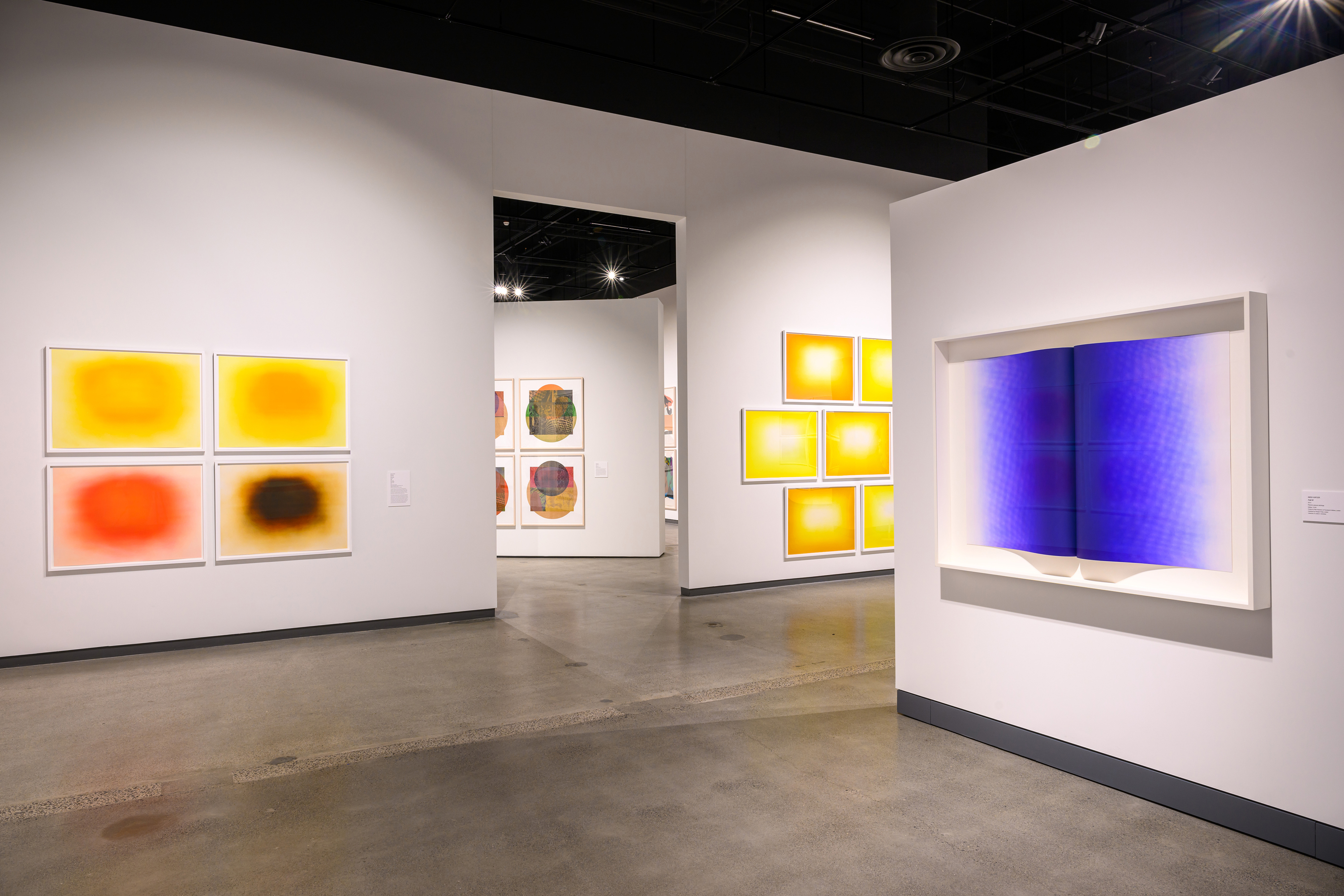
Artist: 아니쉬 카푸어(Anish Kapoor, b. 1954)
Dates: August 19, 2025 – March 14, 2026
Venue: 미국 워싱턴 주립대학교 풀먼 캠퍼스 내 조던 슈니처 미술관(Jordan Schnitzer Museum of Art WSU, Pullman, WA, USA)
Website: https://museum.wsu.edu/exhibit/2025-anish-kapoor-dissolving-margins/
“Red, of course, is the color of the interior of our bodies. In a way, it’s inside out—red.” – Anish Kapoor
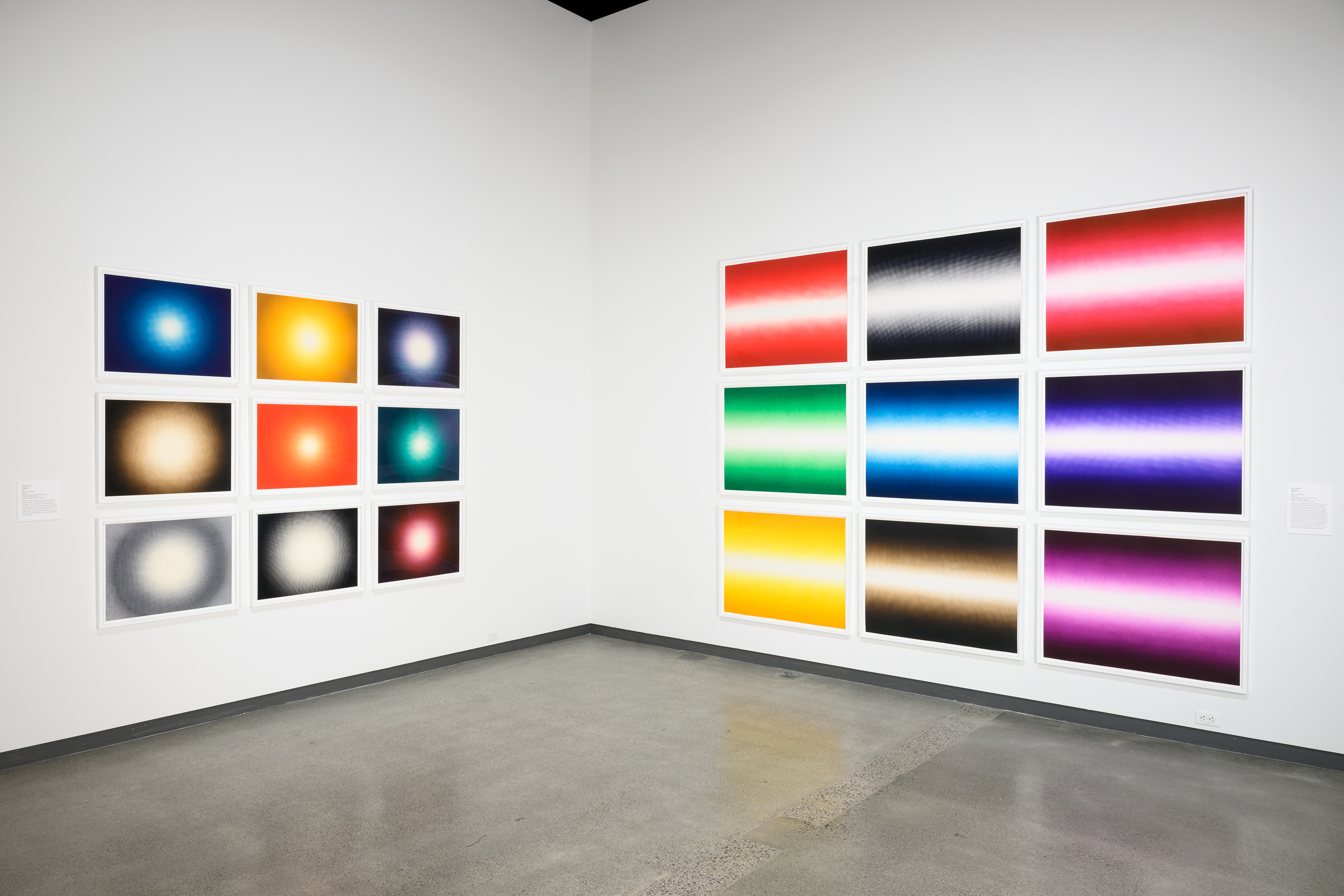
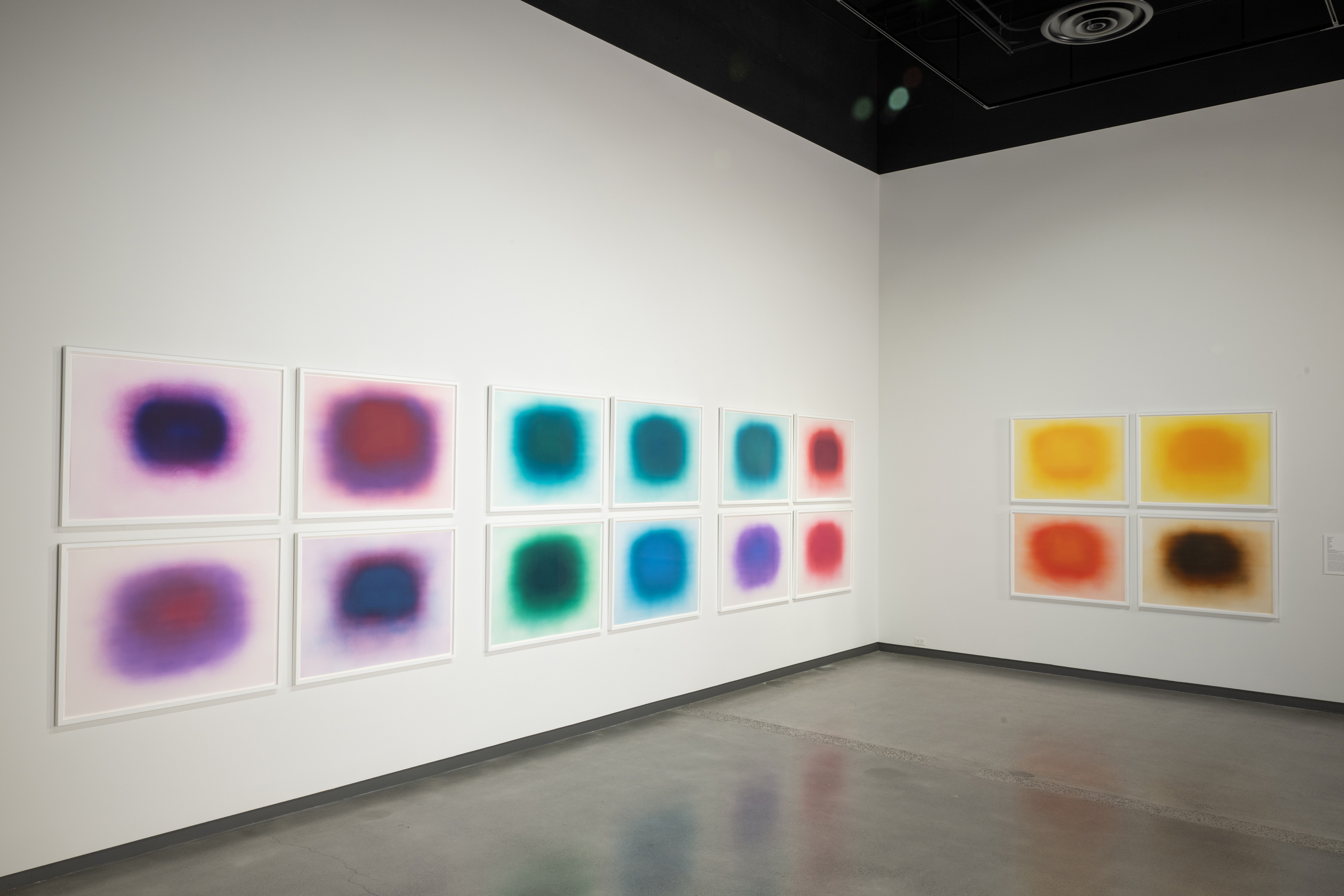
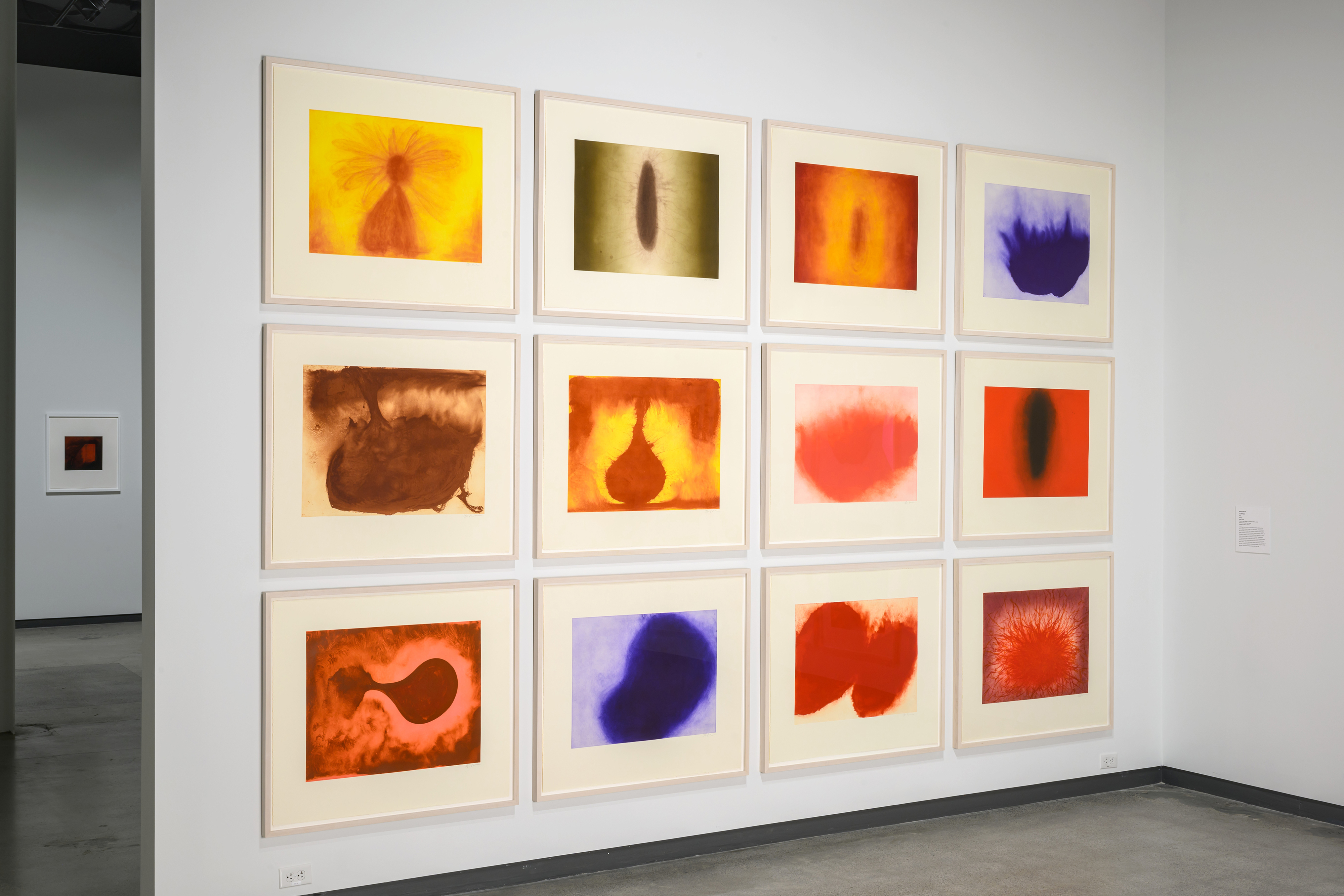
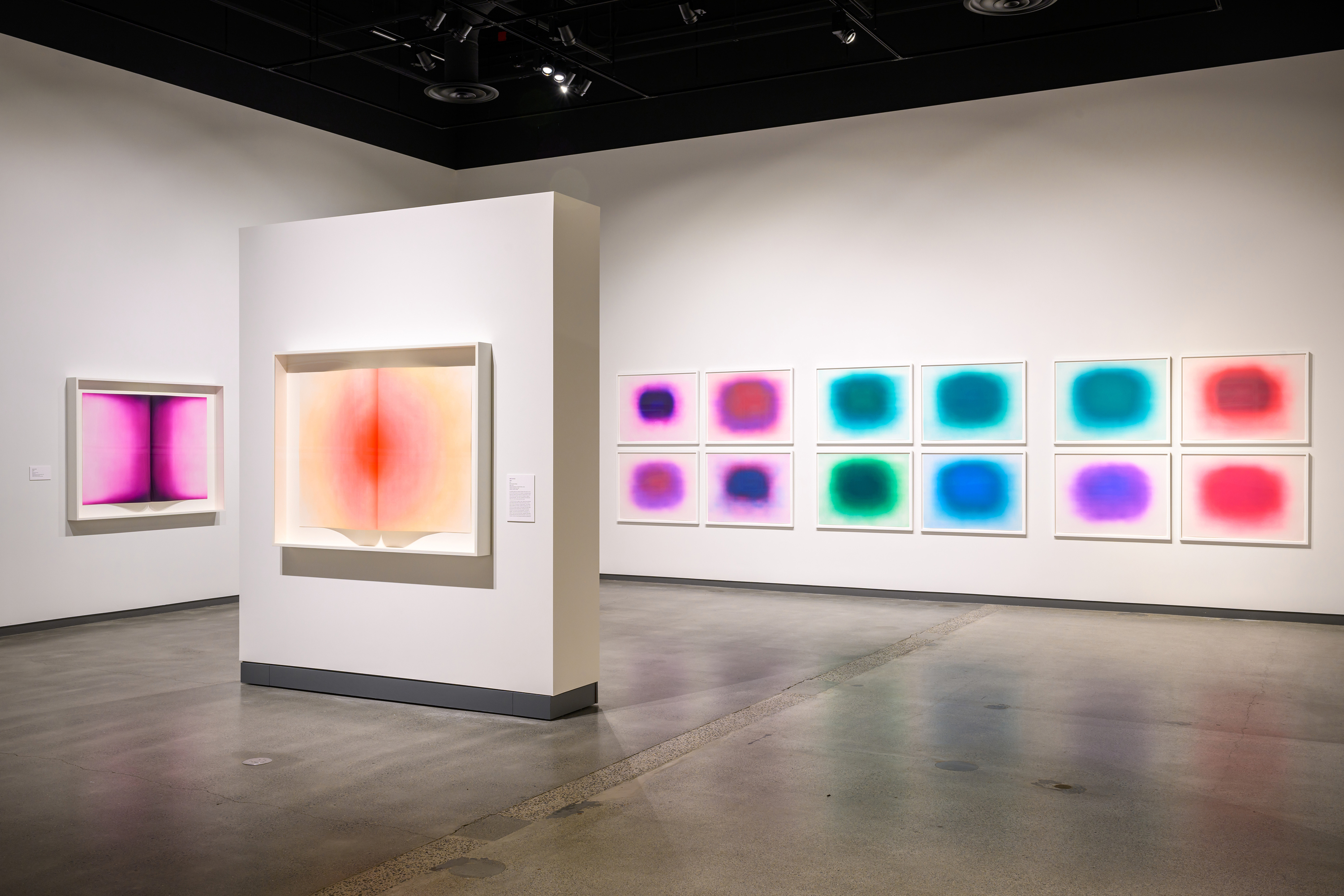
Anish Kapoor’s solo exhibition Dissolving Margins concluded in March 2026 at the Jordan Schnitzer Museum of Art at Washington State University in Pullman, Washington. The first solo survey dedicated to Kapoor’s four-decade-long printmaking practice was organized primarily around works from the collections of Jordan D. Schnitzer, one of North America’s foremost print collectors, and the Jordan Schnitzer Family Foundation.
Renowned for his architectural-scale works, Kapoor has long explored how light, color, and form shape our perception of space. His sculptures, which transform reflected landscapes into unfamiliar images or create spaces whose depths seem impossible to fathom, prompt viewers to question the relationship between what they see and what is real. This interest can also be found in the printmaking he has pursued since the 1970s. Unlike his three-dimensional works, his prints use vivid colors and subtle gradations of light and shadow to create optical illusions of depth on a flat surface.
The exhibition’s title, Dissolving Margins, captured these defining characteristics of Kapoor’s work. As the contours of images blurred and the distinction between flatness and spatial depth grew ambiguous, viewers were drawn beyond familiar modes of visual perception. This extends beyond optical illusion, connecting to Kapoor’s long-standing inquiry into the boundaries between interior and exterior, presence and absence, and the material and immaterial.
Further, the museum’s exterior façade wrapped in red glass, reflects its surroundings, shifting with changes in light and the viewer’s gaze. This quality echoes Kapoor’s investigations into perception and form, as well as his enduring fascination with the color red, and amplifies the exhibition’s conceptual resonance.
By offering an expansive view of Kapoor’s printmaking practice, which had received relatively less attention than his sculptural and installation works, the exhibition affirmed the consistency of his artistic inquiry, which has pushed the limits of visual experience across media and scales. It also demonstrated how two-dimensional images can evoke a sense of depth and space, providing another important key to understanding Kapoor’s art.
아니쉬 카푸어, 미국 워싱턴주 조던 슈니처 미술관 《Anish Kapoor: Dissolving Margins》에서 판화 작업 집중 조명
“붉은색은 물론 우리 몸의 내부를 이루는 색이다. 어떤 의미에서는 안과 밖이 뒤집힌 듯한, 바로 그 붉은색이다.” – 아니쉬 카푸어
아니쉬 카푸어의 개인전 《Dissolving Margins》가 지난 3월 미국 워싱턴 주립대학교 풀먼 캠퍼스 내 조던 슈니처 미술관에서 막을 내렸다. 이번 전시는 지난 40여 년간 이어져 온 카푸어의 판화 작업을 집중 조명한 첫 서베이 전시로, 북미에서 손꼽히는 판화 컬렉터인 조던 D. 슈니처와 슈니처 재단의 소장품을 중심으로 구성되었다.
건축적 규모의 작업으로 잘 알려진 카푸어는 빛과 색채, 형태를 통해 우리가 공간을 바라보고 경험하는 방식을 탐구해 왔다. 거울에 비친 풍경을 낯설게 변형하거나 깊이를 가늠하기 어려운 공간을 만들어 내는 그의 조각은 관람객에게 눈앞에 보이는 것과 실제에 대한 질문을 던진다. 이러한 관심은 1970년대부터 이어 온 판화 작업에서도 발견된다. 입체적인 조각 작품과는 달리 평면의 판화 작품에서는 강렬한 색채와 섬세한 명암의 변화를 통해 깊이감이 느껴지는 착시를 만들어 낸다.
전시 제목인 ‘Dissolving Margins(녹아내리는 경계)’는 이러한 작업의 특징을 함축한다. 화면 속 형태의 윤곽이 흐려지고 평면과 공간의 구분이 모호해지는 순간, 관람객은 익숙한 시각적 경험에서 벗어나게 된다. 이는 착시를 넘어 안과 밖, 존재와 부재, 물질과 비물질의 경계를 다뤄 온 카푸어의 작품 세계와 연결된다.
한편, 붉은색 유리로 둘러싸인 미술관 외벽은 빛과 시선의 변화에 따라 주변 환경을 반사한다. 이는 카푸어가 오랫동안 주목해 온 시지각과 형태, 그리고 ‘붉은색’에 대한 그의 매료와 맞닿으며 전시의 개념적 울림을 확장한다.
그동안 조각과 설치 작업에 비해 상대적으로 주목받지 못했던 카푸어의 판화 세계를 폭넓게 조명한 이번 전시는 매체와 규모를 넘나들며 시각적 경험의 한계를 확장해 온 작가의 일관된 탐구를 확인하는 자리였다. 특히 평면의 이미지가 어떻게 깊이와 공간의 감각을 불러일으키는지 보여주며, 카푸어의 예술을 이해하는 또 하나의 중요한 단서를 제시했다.
[Source: Jordan Schnitzer Museum of Art WSU website]
