

News
November 2026
Lee Ufan Presents an Exhibition Marking the 2026 Wolfgang Hahn Prize at the Museum Ludwig in Cologne, Germany
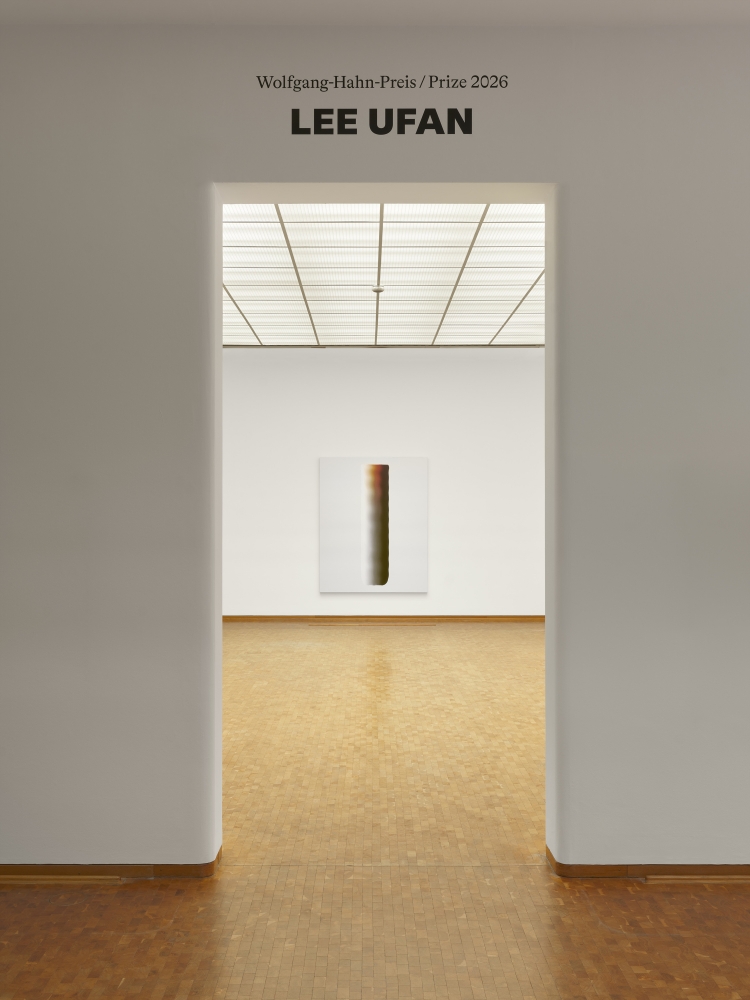
Artist: 이우환(Lee Ufan, b. 1936)
Dates: November 7, 2026 – April 7, 2027
Venue: 독일 쾰른 루트비히 미술관(Museum Ludwig, Cologne, Germany)
Website: https://www.museum-ludwig.de/en/home/exhibitions/lee-ufan-2026-wolfgang-hahn-prize
Lee Ufan was awarded the 2026 Wolfgang Hahn Prize on November 6 at the Museum Ludwig in Cologne, Germany. Now in its 32nd edition, the prize was established in 1994 by the Gesellschaft für Moderne Kunst (Society for Modern Art), which supports the Museum Ludwig, to honor contemporary artists who have made a name for themselves with an internationally recognized oeuvre but are not yet as well known in Germany as they deserve to be. The award is particularly meaningful in that its prize money of up to 100,000 euros goes toward the acquisition of the winner’s work for the Museum Ludwig’s collection, while an accompanying exhibition and publication shed light on the artist’s practice. Past recipients include Lawrence Weiner, Cindy Sherman, Mike Kelley, and Peter Doig, and Lee is the second Korean artist to receive the honor, following Haegue Yang in 2018.
The award also reaffirms the close ties Lee has maintained with the German art scene for nearly half a century. His solo exhibition at Galerie m in Bochum in 1976, his participation in documenta 6 in Kassel in 1977, and his solo exhibition at the Kunsthalle Düsseldorf in 1978 were key moments that brought his work to the world stage. He has since held solo exhibitions at major German institutions, including the Städel Museum in Frankfurt (1998), Kunstmuseum Bonn (2001), and Hamburger Bahnhof in Berlin (2023). This year’s guest juror, Mami Kataoka, director of the Mori Art Museum in Tokyo, highlighted Lee’s artistic achievement over the course of his sixty-year-long career in exploring the essential meaning of existence through the relationships among people, things, and the world—transcending the divide between East and West without following Western modernism or retreating into Eastern spiritual traditions.
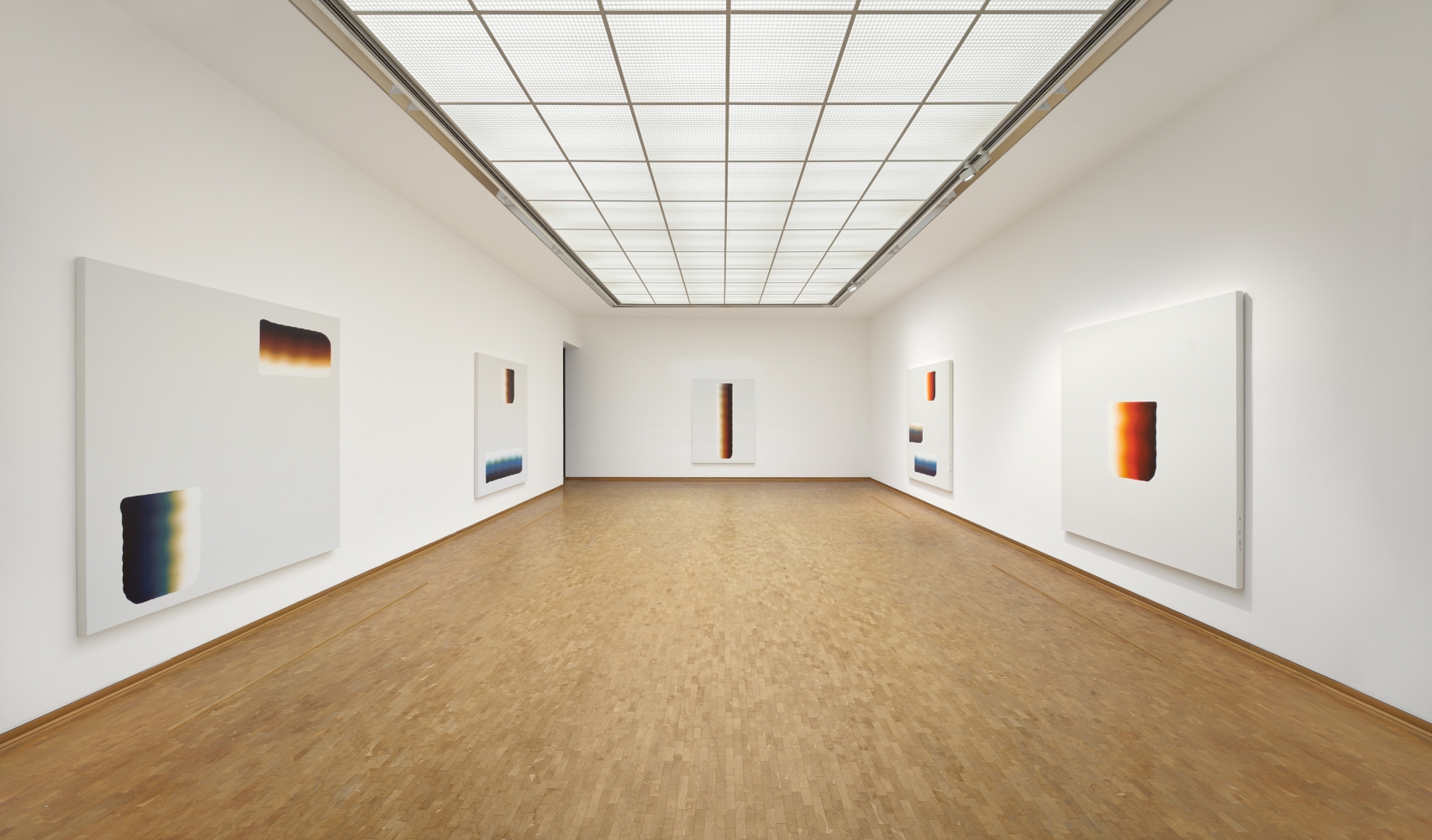
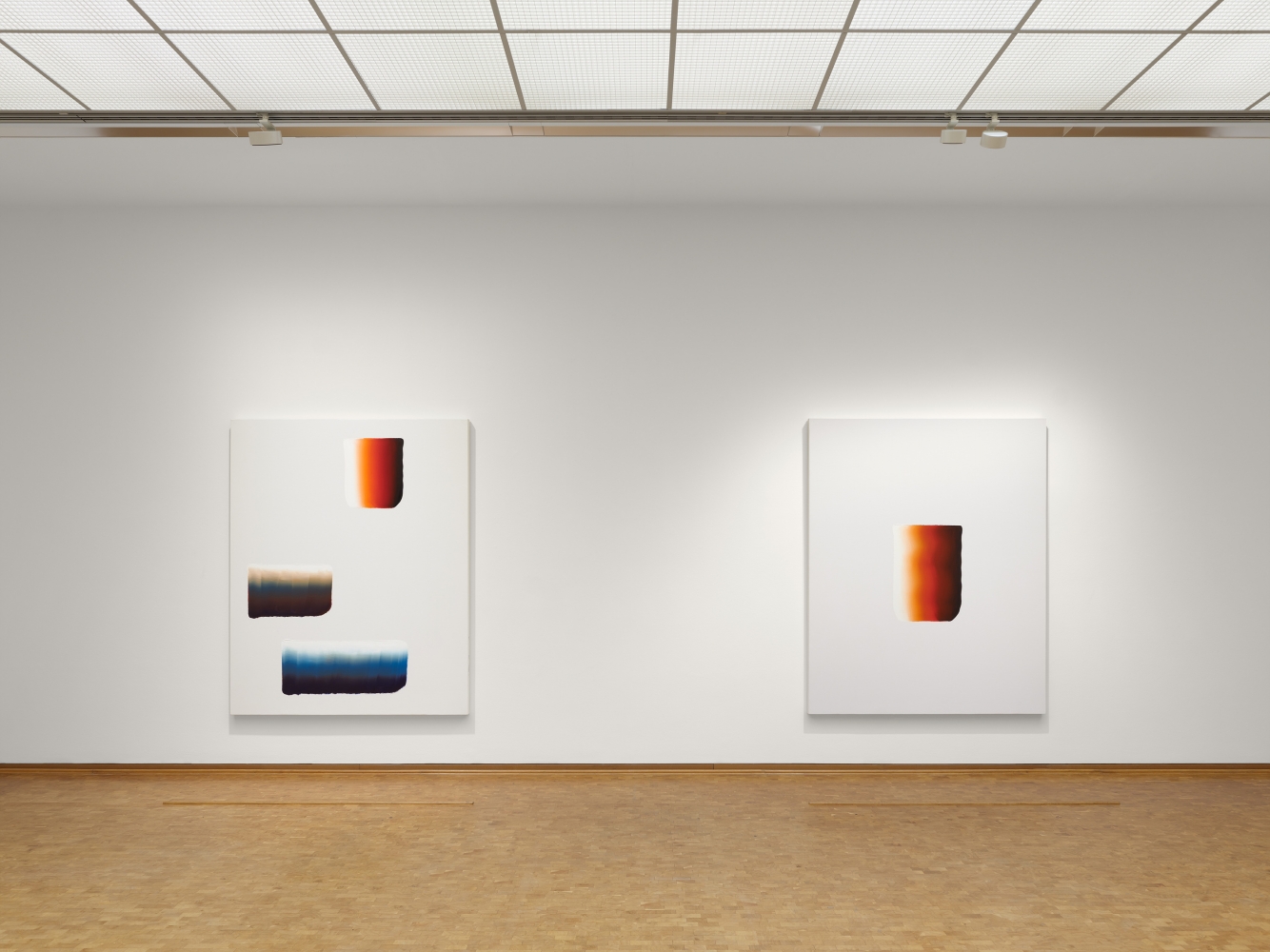
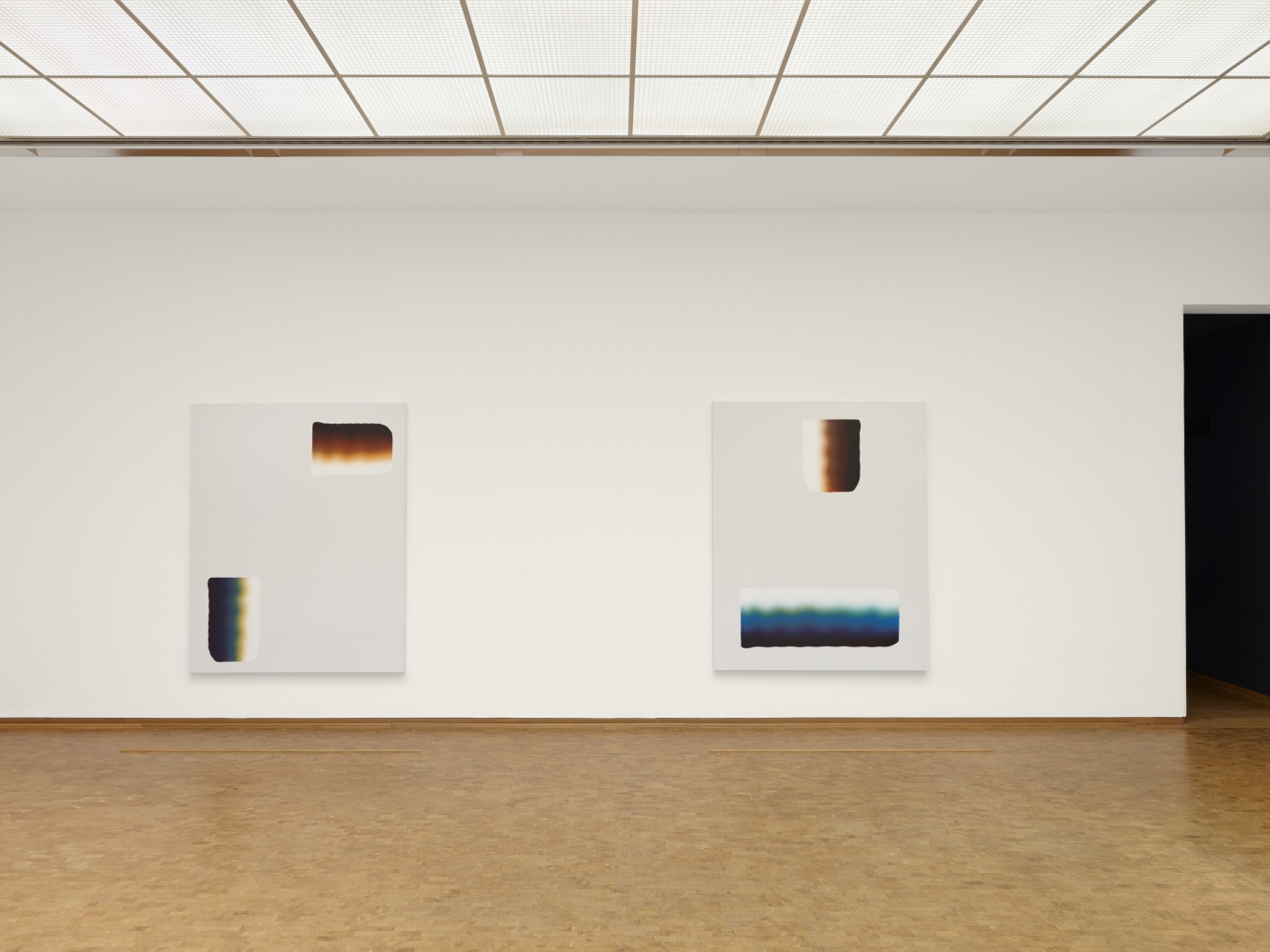
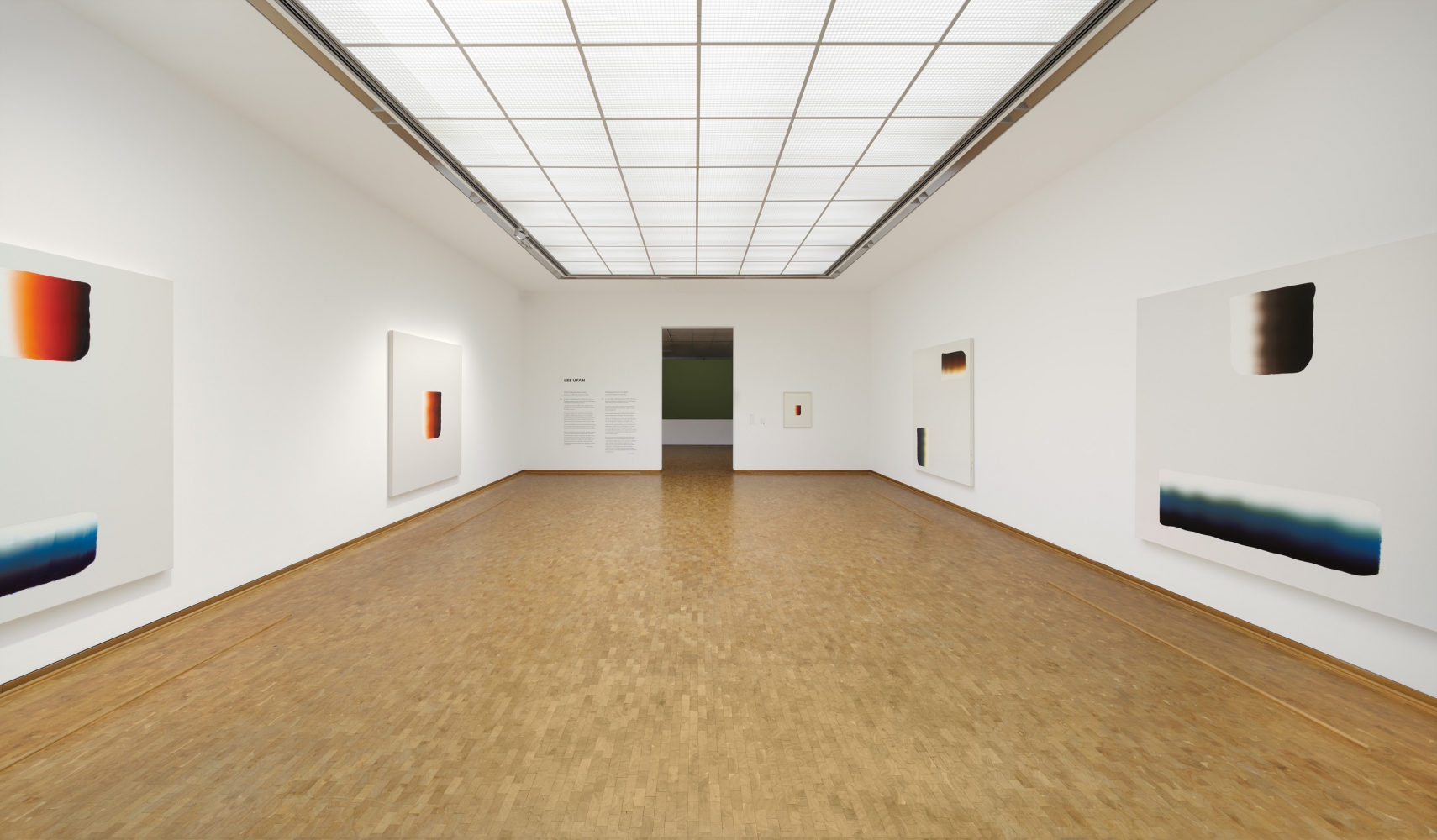
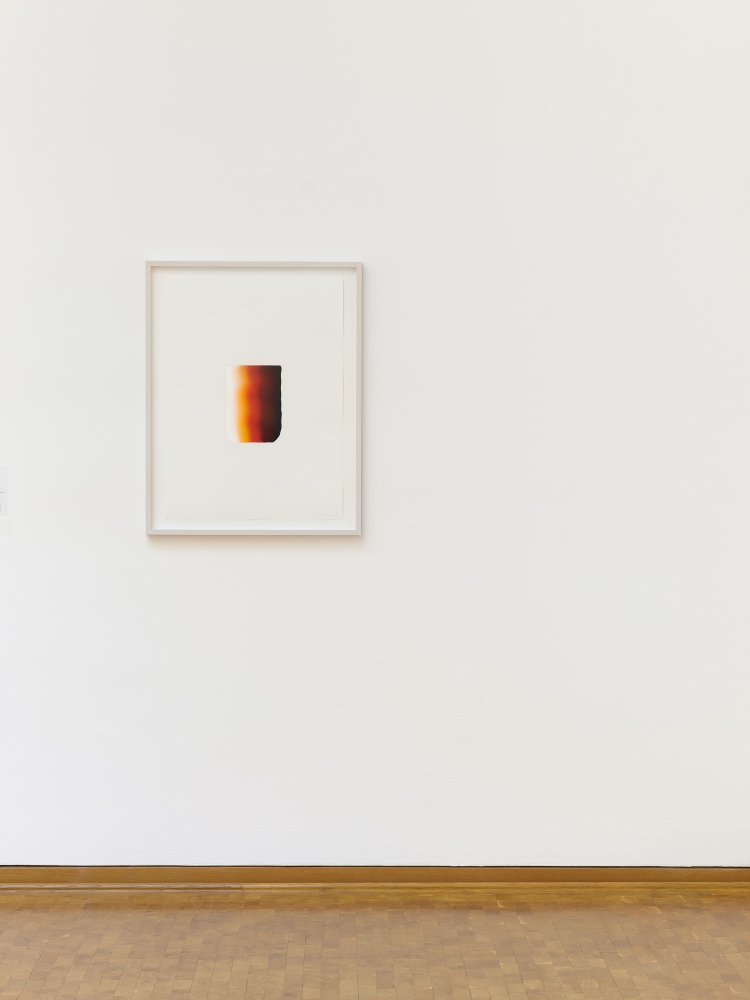
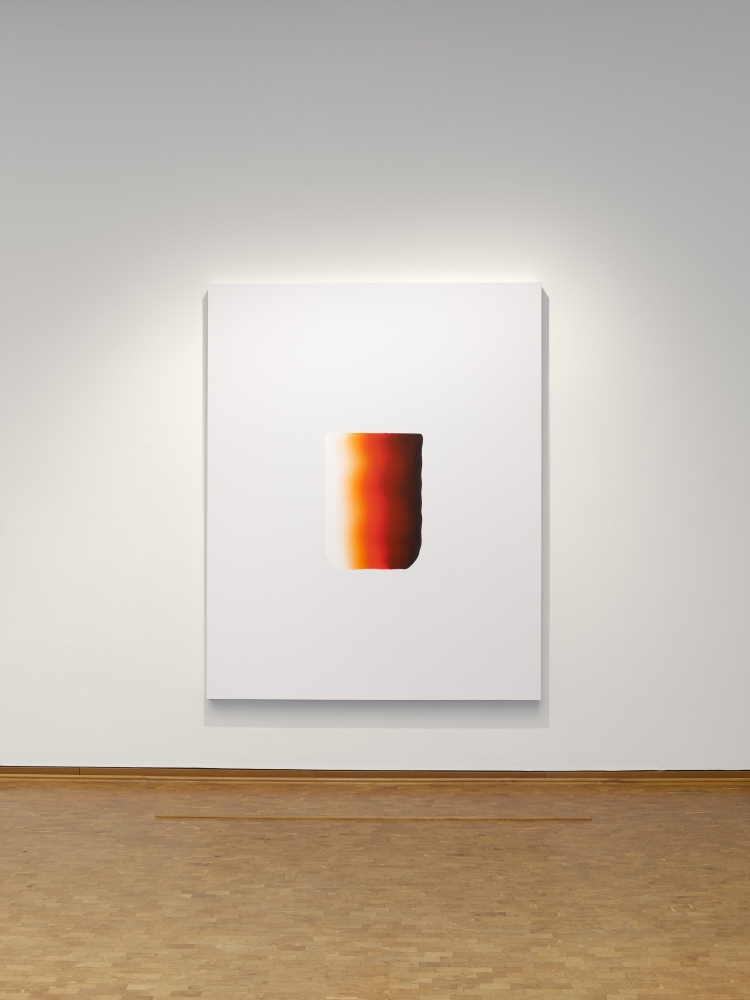
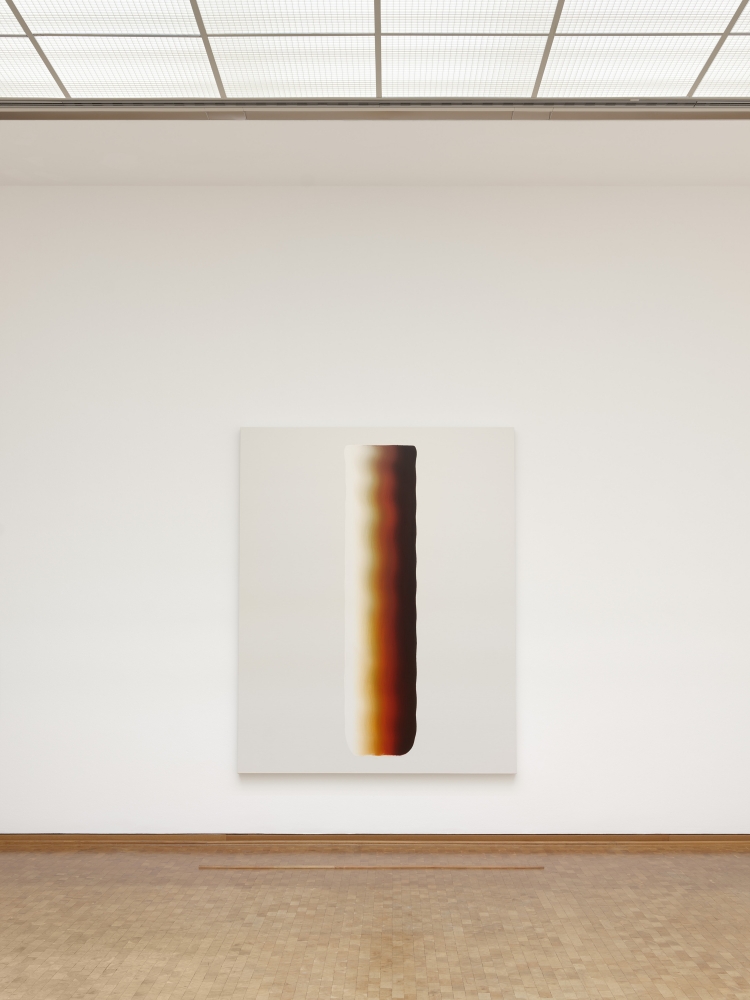
Along with the prize, an exhibition organized by the Museum Ludwig is on view following the ceremony, presenting a room of five paintings from Lee’s signature Response series. In the Response series, Lee uses a wide, flat brush to lay down several shades of a single color in four to five layers, applying one layer each day over four or five days. Accumulating the time and movement of the body, the brushstrokes give the canvas a sense of depth and tension, while the surrounding untouched white space brings the presence of color and brushwork into sharper relief.
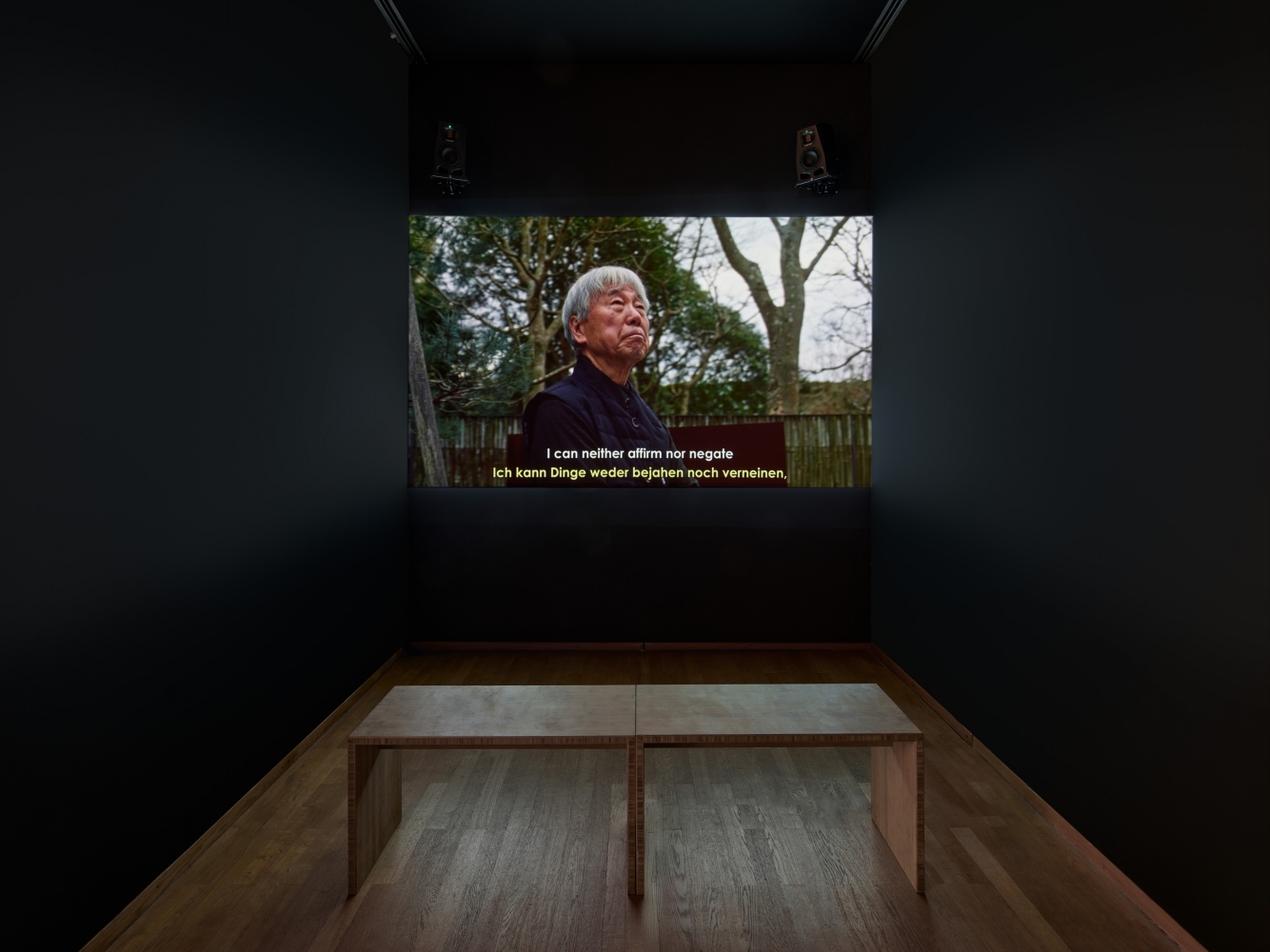
In her laudation, Kataoka described how “the thermal charge—the power of life itself—flowing from Lee’s body through the brush is transmitted to the canvas,” and how this energy does not remain within the brushstroke but “permeates the void of the canvas.” She further noted that “the vibration crosses the boundary of the canvas with ease, beginning its response, too, with the invisible spatial energy that includes the one who stands before the painting.” The passage reveals Lee’s artistic stance of viewing painting not as a finished image, but as an open field in which the artist, the work, the space, and the viewer enter into relationship with one another.
In the meantime, one of the works on view is being acquired by the Society for Modern Art for the Museum Ludwig’s collection. Yilmaz Dziewior, director of the Museum Ludwig, reflected that the acquisition made possible by the Wolfgang Hahn Prize, coming in the year of the museum’s 50th anniversary, holds special significance, as Lee’s long-standing exchange with the German art scene has now borne new fruit. The exhibition is on view through April 7, 2027.
이우환, 독일 쾰른 루트비히 미술관에서 2026 볼프강 한 미술상 수상기념전 개최
이우환이 지난 11월 6일 독일 쾰른의 루트비히 미술관(Museum Ludwig)에서 2026 볼프강 한 미술상(Wolfgang Hahn Prize)을 수상했다. 올해로 32회를 맞은 볼프강 한 미술상은 1994년 루트비히 미술관을 후원하는 근대미술협회(Gesellschaft für Moderne Kunst)가 제정한 상으로, 오랜 시간 독자적인 작품 세계를 구축하며 국제 현대미술에 기여해 온 작가 가운데 그 성취에 비해 독일에서 충분히 조명되지 않은 작가에게 수여한다. 최대 10만 유로의 상금으로 수상 작가의 작품을 매입해 루트비히 미술관의 컬렉션에 편입하고, 수상기념전과 출판을 통해 작가의 예술 세계를 조명한다는 점에서 그 의미가 깊다. 로렌스 위너(Lawrence Weiner), 신디 셔먼(Cindy Sherman), 마이크 켈리(Mike Kelley), 피터 도이그(Peter Doig) 등이 역대 수상자로 이름을 올렸으며, 이우환은 2018년 양혜규에 이어 한국 작가로는 두 번째 수상자다.
이번 수상은 이우환과 독일 미술계가 약 반세기에 걸쳐 맺어 온 인연을 다시 확인하는 계기이기도 하다. 1976년 보훔 갤러리 m 개인전을 비롯해 1977년 카셀 도큐멘타 6, 1978년 뒤셀도르프 쿤스트할레 개인전 등은 이우환의 작품 세계가 국제무대로 확장되는 중요한 계기가 되었다. 이후 프랑크푸르트 슈테델 미술관(1998), 본 미술관(2001), 베를린 함부르거 반호프(2023) 등 독일 주요 미술기관에서 개인전을 개최해 왔다. 올해 볼프강 한 미술상의 객원 심사위원을 맡은 도쿄 모리미술관 관장 마미 카타오카(Mami Kataoka)는 지난 60여 년간 서구 모더니즘을 따르거나 동양의 정신적 전통에 머무르지 않고, 동서양의 구분을 넘어 인간과 사물, 세계의 관계 속에서 존재의 본질을 탐구해 온 작가의 예술적 성취에 주목했다.
시상식에 이어 11월 7일부터 루트비히 미술관에서 열리고 있는 수상기념전에서는 작가의 대표 연작인 〈Response〉 다섯 점을 한 전시실에 선보인다. 〈Response〉 연작에서 작가는 넓고 평평한 붓으로 하나의 색을 여러 톤으로 나누어 4–5일에 걸쳐 하루 한 겹씩 쌓아 올린다. 시간과 신체의 움직임이 축적된 붓질은 화면에 깊이와 긴장감을 더하며, 이를 둘러싼 여백은 색채와 붓질의 존재감을 더욱 선명하게 드러낸다.
마미 카타오카는 축사에서 작가의 신체로부터 붓을 거쳐 캔버스에 전달된 생명력이 붓질에 머무르지 않고 주변의 여백으로 퍼져 나가는 점에 주목했다. 나아가 붓질과 여백 사이에서 형성되는 울림은 캔버스의 경계를 넘어 작품을 둘러싼 공간과 그 앞에 선 관람객에게까지 이어진다고 설명했다. 회화를 완결된 이미지가 아닌 작가와 작품, 공간과 관람객이 서로 관계를 맺는 열린 장으로 바라보는 이우환의 예술적 태도가 잘 드러나는 대목이다.
출품작 가운데 한 점은 근대미술협회가 매입해 루트비히 미술관의 컬렉션으로 편입된다. 루트비히 미술관 관장 일마즈 지비오르(Yilmaz Dziewior)는 미술관이 개관 50주년을 맞은 해에 볼프강 한 미술상을 계기로 이루어진 이번 작품 소장은 이우환과 독일 미술계의 오랜 교류가 새로운 결실을 맺었다는 점에서 더욱 각별한 의미를 지닌다며 소회를 밝혔다. 전시는 2027년 4월 7일까지 이어진다.
[Source: Museum Ludwig website and press release]
