

News
October 2026
SUPERFLEX Presents Come Hell Or High Water at ARKEN Museum of Contemporary Art in Ishøj, Denmark, Imagining the Future of Coexistence
Artist: 수퍼플렉스 SUPERFLEX
Dates: May 7, 2026 – January 3, 2027
Venue: 덴마크 이쇼이 아르켄 현대미술관 ARKEN Museum of Contemporary Art, Ishøj, Denmark
Website: https://www.arken.dk/en/exhibitions/come-hell-or-high-water
Dates: May 7, 2026 – January 3, 2027
Venue: 덴마크 이쇼이 아르켄 현대미술관 ARKEN Museum of Contemporary Art, Ishøj, Denmark
Website: https://www.arken.dk/en/exhibitions/come-hell-or-high-water
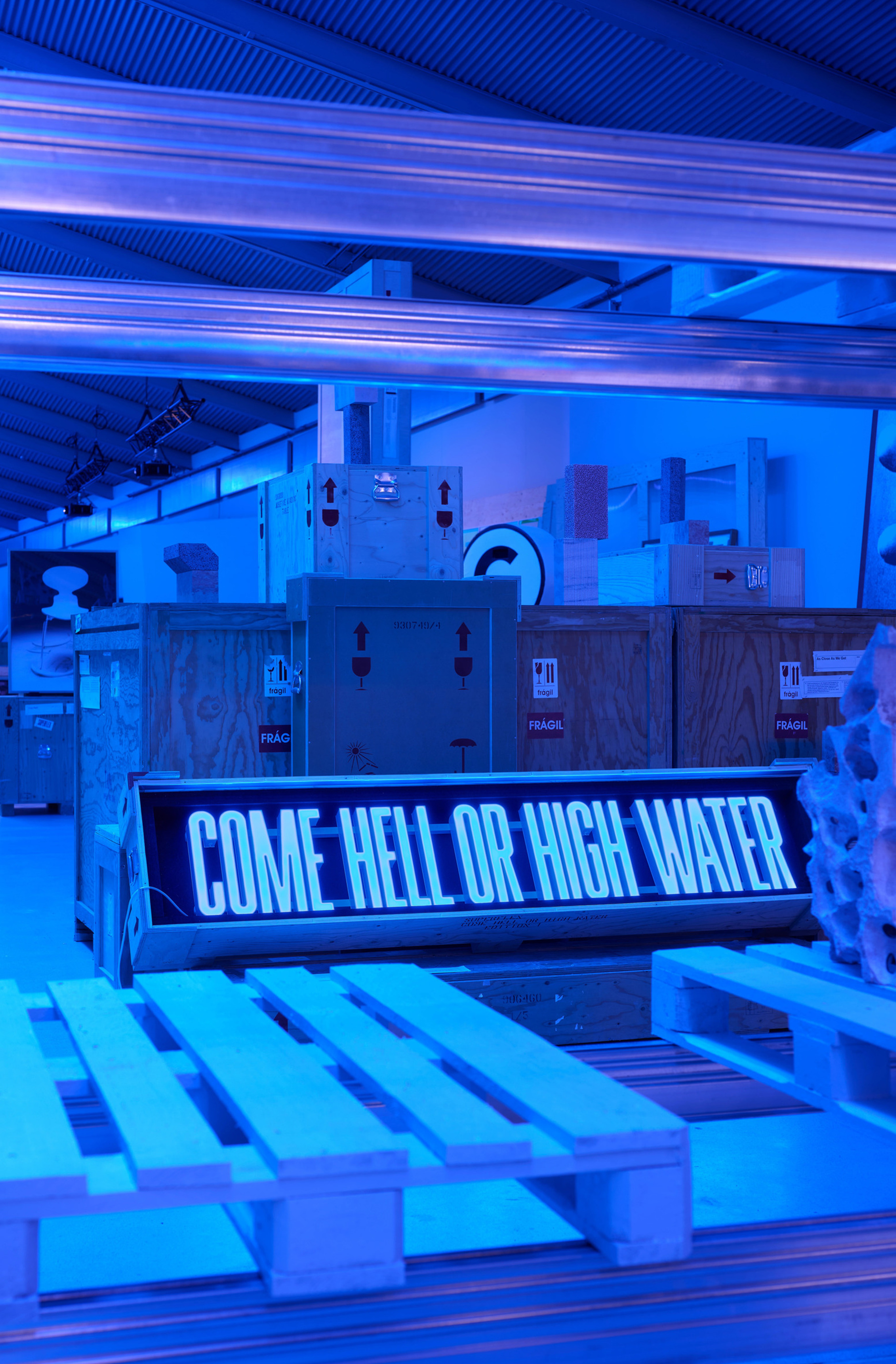
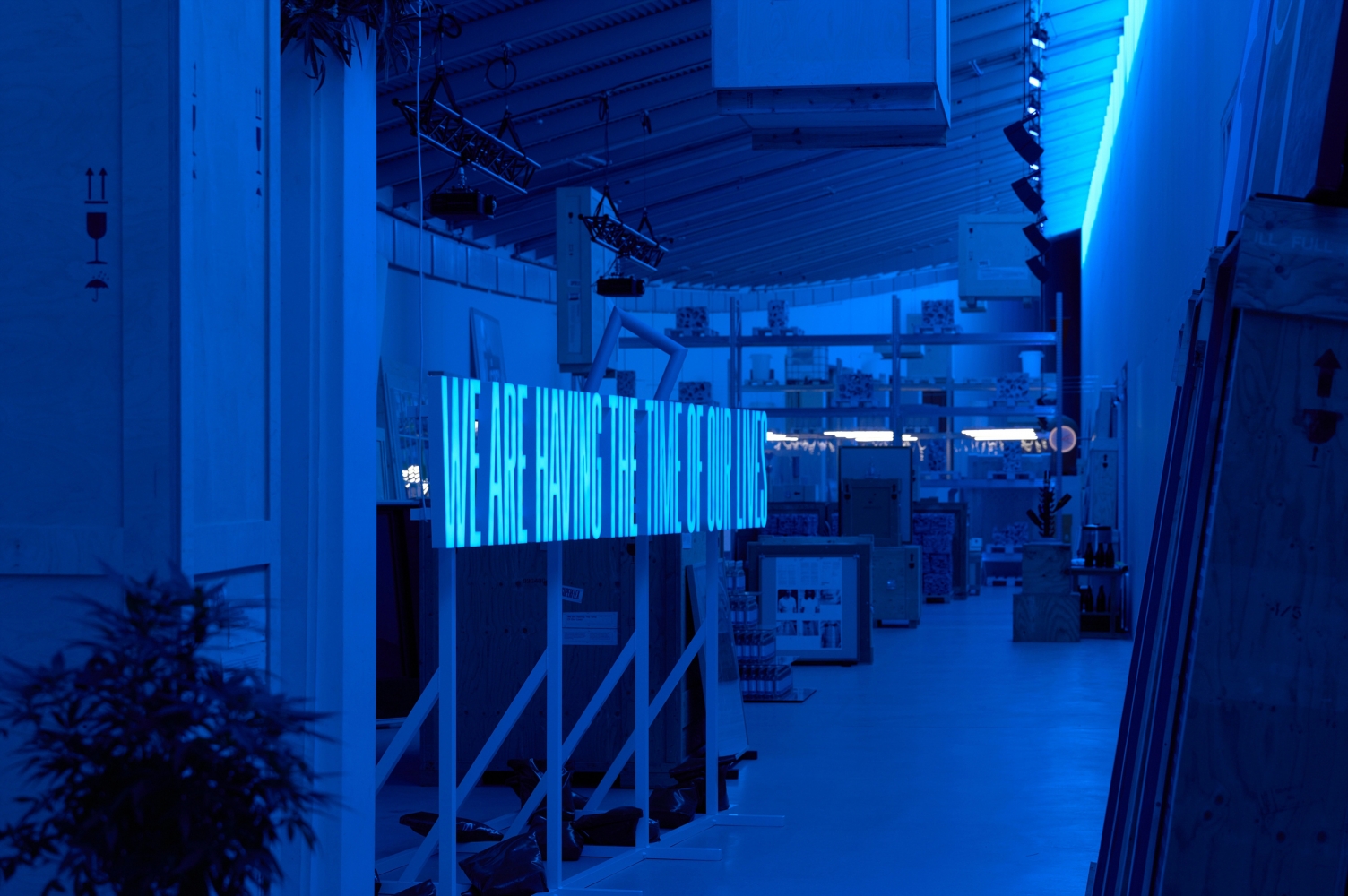
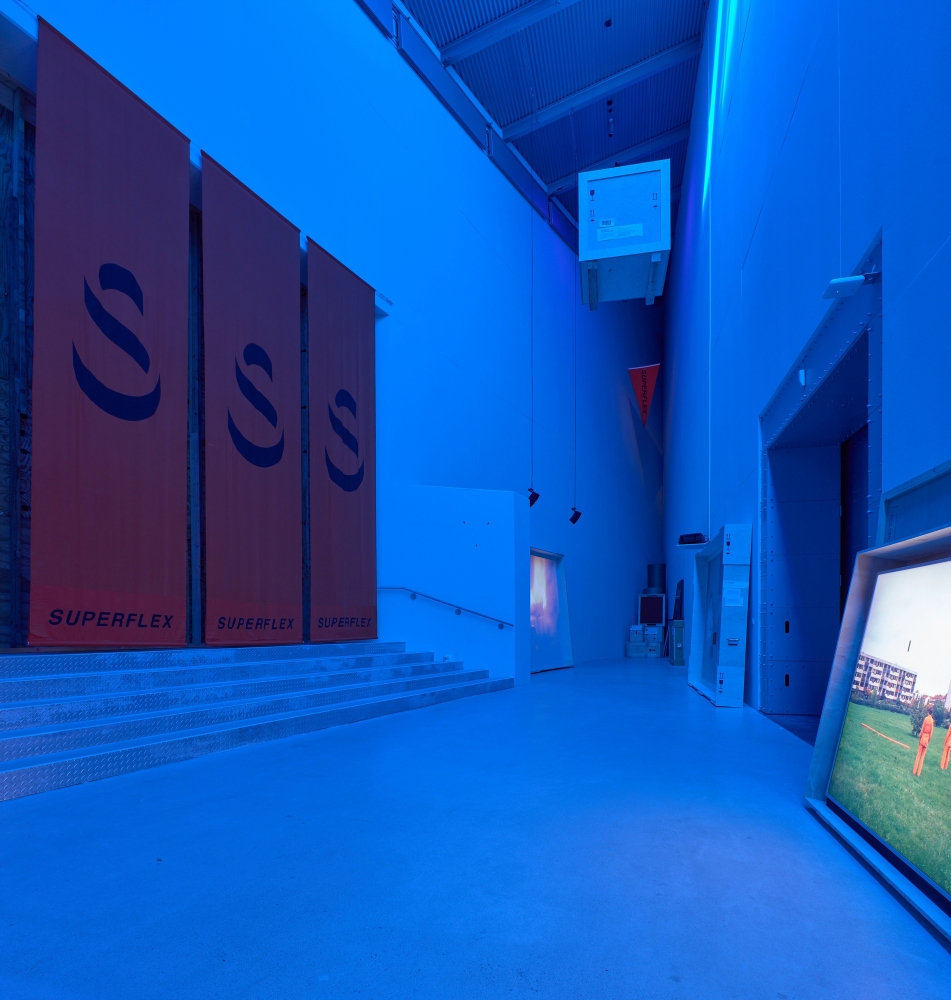
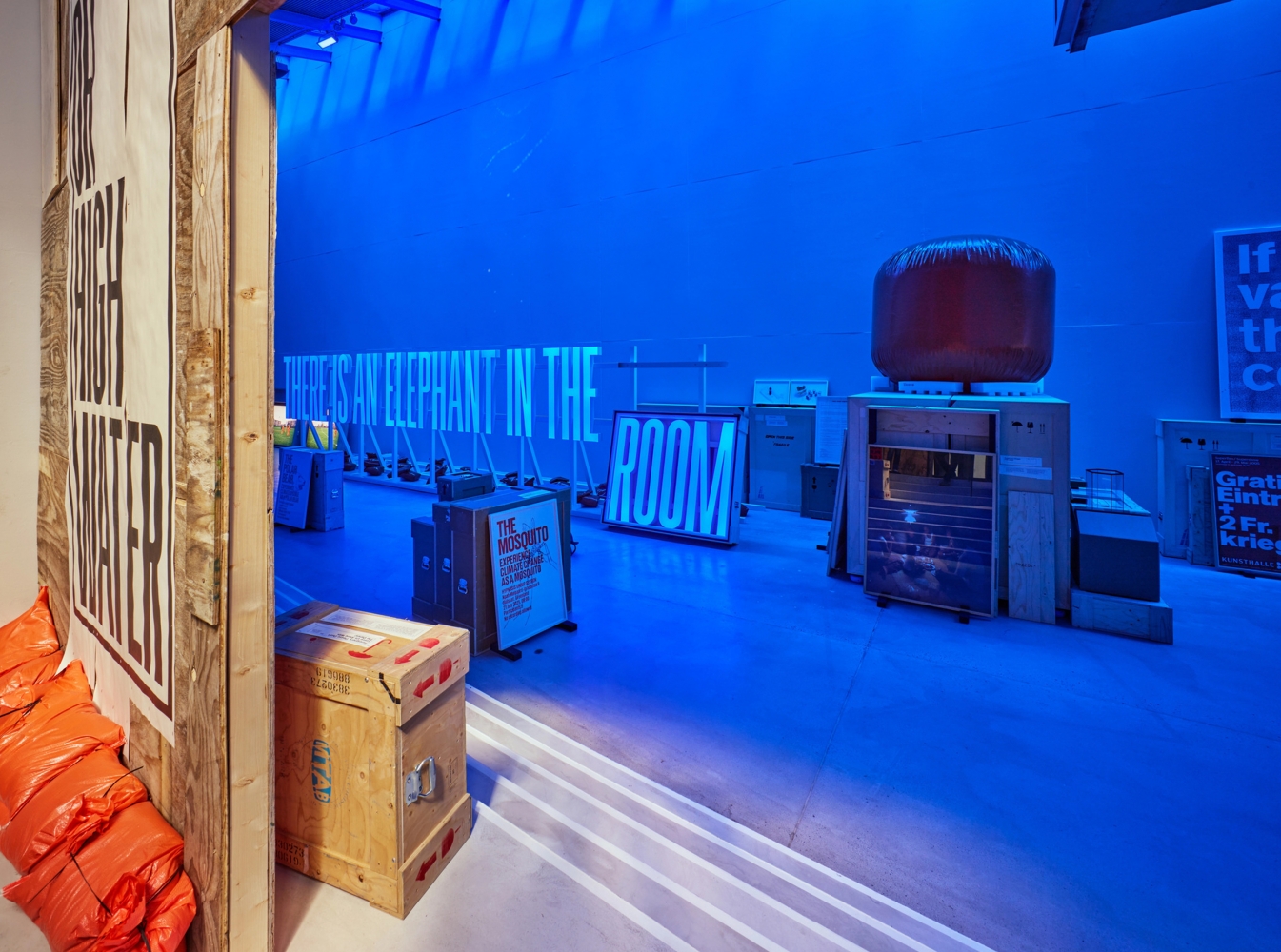
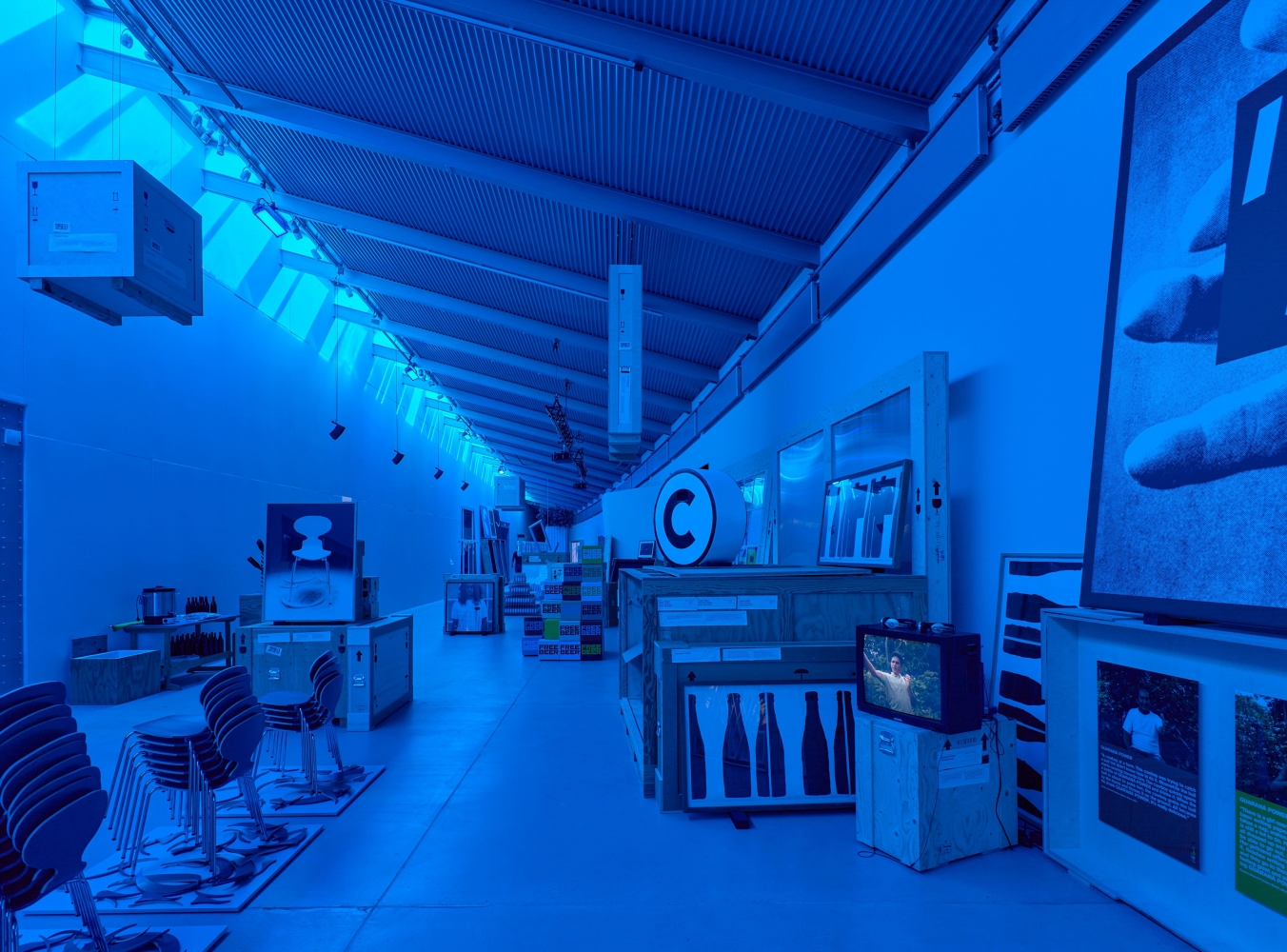
The Danish artists’ collective SUPERFLEX is presenting Come Hell or High Water at ARKEN Museum of Contemporary Art in Ishøj, Denmark. Spanning more than three decades of practice since the trio's formation in 1993, the exhibition imagines a distant future in which rising sea levels caused by climate change have submerged the museum. In this speculative scenario, the museum is transformed into a vast ark, where humans and other forms of life can coexist. Blue lighting, sandbags, and barricades at the entrance evoke the atmosphere of a museum sunk deep beneath the sea. Scattered throughout the exhibition, shipping crates contain works ranging from SUPERFLEX’s early pieces to its most recent productions, functioning both as an archive of past projects and as cargo to be carried into the future.
In recent years, SUPERFLEX has been developing structures that function simultaneously as artworks and habitats for marine life. At the center of the exhibition, the trio presents The Ark Factory, an ongoing project that produces components for larger ark. Using a specialized technology involving ice, SUPERFLEX creates artificial reef structures designed to serve as habitats for marine organisms. Visitors can observe firsthand the process of constructing a fragment of this immense ark. These structures will be installed beneath the sea afterwards, embodying SUPERFLEX’s broader practice of exploring possibilities for coexistence among diverse forms of life beyond the human.
Alongside these installations, three video works explore migration, borders, environmental issues, and survival through the motif of the sea. Kwassa Kwassa (2015) follows the production of fiberglass boats used for fishing and the smuggling of migrants in the Comoros archipelago in the Indian Ocean. The work reveals the precarious realities of migrants forced to undertake dangerous journeys, while exposing the political tensions surrounding borders. Two Suns (2024) draws on the history of the 67 nuclear bomb tests conducted by the United States in the Marshall Islands in the Pacific between 1946 and 1958. The title refers to the recollection of a survivor who described the explosion as resembling “two suns in the sky.” Meanwhile, All Is Water (2023) uses AI-generated narration to imagine the consciousness of a fish, connecting to the perspective of another species and moving beyond an anthropocentric worldview.
Through these works, Come Hell or High Water examines environmental and social issues through the sea, offering a critical perspective on power structures within the global economic system and contemporary modes of production and labor. At the same time, the exhibition explores ways in which human and nonhuman life might coexist in an ever-changing world. Particularly, The Ark Factory brings the actual construction of the ark into the exhibition space, extending art beyond speculation about the future and toward concrete action for ecological coexistence. Throughout its practice, SUPERFLEX has engaged with social and political issues while challenging the boundaries between art and practical tools. With this exhibition, the trio asks what we will choose to preserve and leave behind amid the ecological transformations to come and proposes collaboration and collective action as essential responses to the climate crisis.
수퍼플렉스, 덴마크 이쇼이 아르켄 현대미술관에서 종 간 공존의 미래를 모색하는 개인전 《Come Hell Or High Water》 개최
덴마크 3인조 아티스트 콜렉티브 수퍼플렉스(SUPERFLEX)가 덴마크 이쇼이(Ishøj)에 위치한 아르켄 현대미술관에서 개인전 《Come Hell or High Water》를 개최 중이다. 1993년 결성 이후 30여 년간 이어온 작업 전반을 아우르는 이번 전시는 기후변화로 해수면이 상승한 어느 먼 미래에 미술관이 물에 잠기는 상상적 상황을 출발점으로 삼아, 미술관 내부를 인간을 비롯한 다양한 생명체가 공존하는 거대한 방주로 탈바꿈시킨다. 푸른빛으로 물든 전시장과 입구에 쌓인 모래주머니, 바리케이드 등은 마치 미술관이 바닷속 깊이 가라앉은 듯한 풍경을 연출한다. 전시장 곳곳에 놓인 운송 상자에는 수퍼플렉스의 초기작부터 최근작까지 담겨 있으며, 이는 지난 작업을 보관하는 아카이브이자 미래를 향해 실어 나를 화물을 상징한다. 전시는 이러한 연출을 통해 다가올 생태적 변화 속에서 우리는 무엇을 보존하고 남겨두게 될 것인지를 질문한다.
지난 몇 년간 수퍼플렉스는 예술 작품인 동시에 해양 생물의 서식처로 기능하는 구조물을 개발해왔으며, 이번에 전시장 중앙에 이 구조물을 설치해 방주의 일부를 생산하는 장기 프로젝트 〈The Ark Factory〉를 선보인다. 작가는 얼음을 활용한 특수 제작 기술로 해양 생물의 서식처가 될 인공 암초 구조물을 만드는데, 관람객들은 거대한 방주의 일부가 만들어지는 과정을 직접 살펴볼 수 있다. 향후 바닷속에 설치될 이 구조물은, 인간뿐 아니라 다양한 생명체의 공존을 모색해온 수퍼플렉스의 작업세계를 잘 반영하고 있다.
또한 설치 작품과 함께 바다를 매개로 이주와 국경, 환경과 생존의 문제를 탐구하는 세 편의 영상 작품이 상영된다. 먼저 〈Kwassa Kwassa〉(2015)는 인도양 모로코 제도에서 어업과 난민 밀입국에 사용되는 유리섬유 보트의 제작 과정을 따라가며, 위험한 항해를 감수해야 하는 이주민의 불안정한 현실과 국경을 둘러싼 정치적 문제를 드러낸다. 〈Two Suns〉(2024)는 1946년부터 1958년까지 미국이 태평양 마셜 제도에서 총 67차례에 걸쳐 실시한 원자폭탄 실험의 역사에서 출발한다. 작품 제목은 당시 생존자 중 한 명이 폭발 장면을 두고 “하늘에 두 개의 태양이 떠 있는 것 같았다”고 회상한 데서 유래했다. 한편 〈All Is Water〉(2023)는 인공지능 내레이션을 통해 물고기의 ‘의식’을 상상하며, 인간 중심의 인식에서 벗어나 다른 종의 관점에서 세계를 바라볼 가능성을 탐구한다.
《Come Hell Or High Water》는 이처럼 바다를 매개로 한 환경적, 사회적 문제를 조명하며 글로벌 경제 체제 속 권력 구조와 오늘날의 생산 및 노동 시스템을 비판적으로 바라본다. 동시에 변화하는 세계에서 인간과 비인간 생명체가 공존할 수 있는 관계를 모색한다. 특히 전시장에서 실제로 방주의 일부를 제작하는 〈The Ark Factory〉는 예술을 미래에 대한 상상에 머무르게 하지 않고, 생태적 공존을 위한 구체적인 실천으로 확장한다는 점에서 주목할 만하다. 사회·정치적 문제에 개입하며 예술과 실용적 도구의 경계를 넘나들어온 수퍼플렉스는 이번 전시를 통해 기후 위기 시대에 필요한 협업과 공동의 행동을 제안한다.
[Source: ARKEN Museum of Contemporary Art website and press release]
