

News
October 2026
Ha Chong-Hyun’s First Major North American Exhibition, Ha Chong-Hyun: Retrospective Opens at the Asian Art Museum
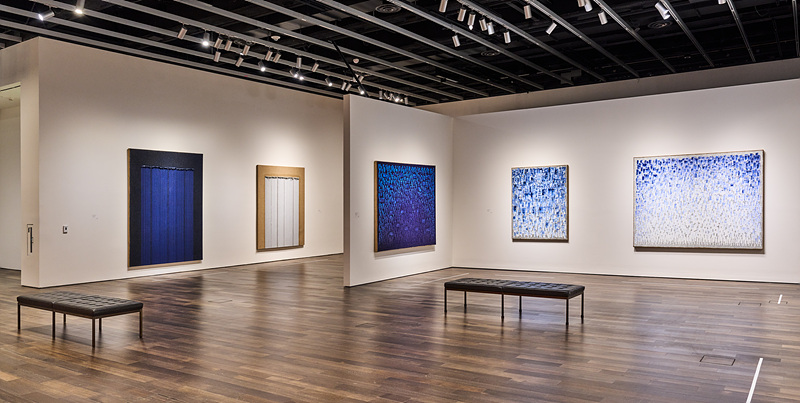
Artist: 하종현 Ha Chong-Hyun (b. 1935)
Dates: September 25, 2026 – January 25, 2027
Venue: 샌프란시스코 아시아 미술관 Asian Art Museum, San Francisco, CA, USA
Website: https://exhibitions.asianart.org/exhibitions/ha-chong-hyun-retrospective/
Dates: September 25, 2026 – January 25, 2027
Venue: 샌프란시스코 아시아 미술관 Asian Art Museum, San Francisco, CA, USA
Website: https://exhibitions.asianart.org/exhibitions/ha-chong-hyun-retrospective/
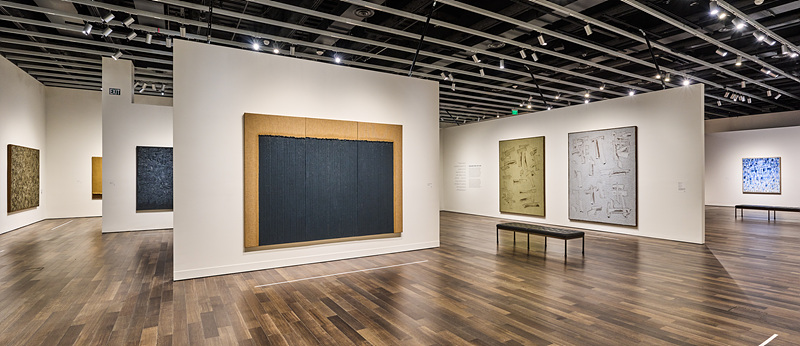
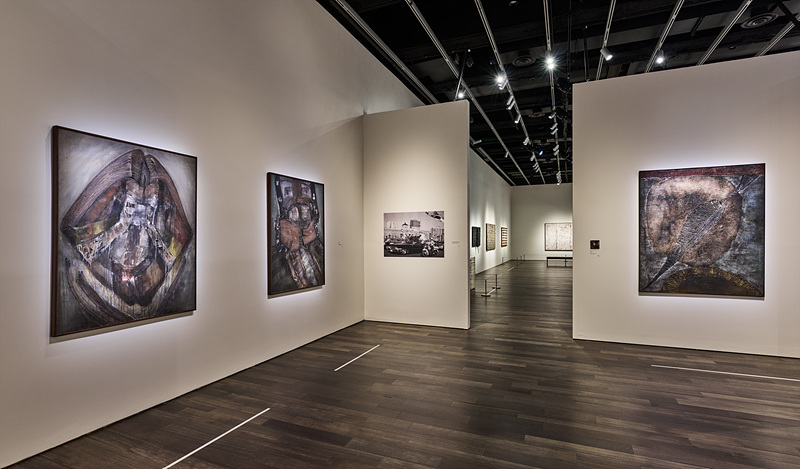
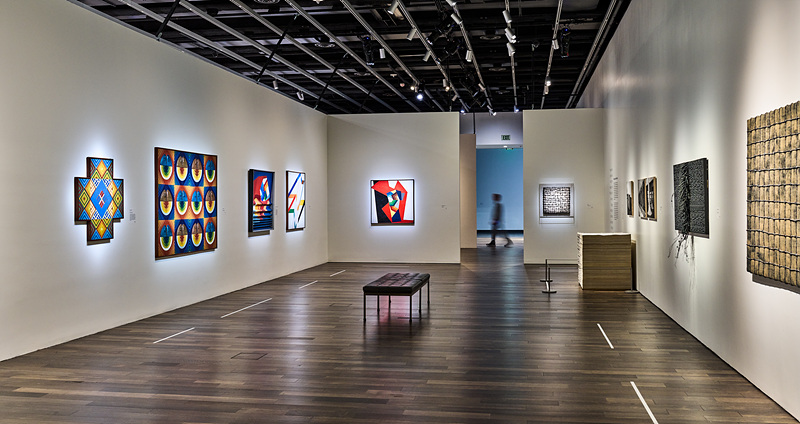
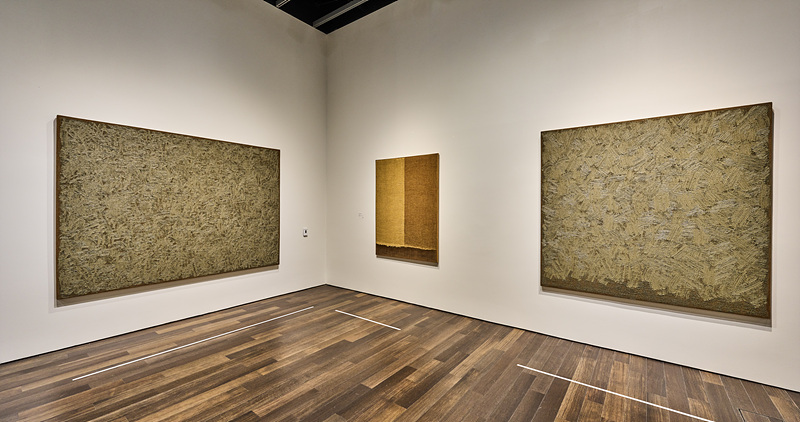
Ha Chong-Hyun: Retrospective at the Asian Art Museum in San Francisco marks the artist’s first major museum exhibition in North America, as well as a landmark showcase for a Korean contemporary artist in the region following Nam June Paik and Lee Ufan. The exhibition features 50 paintings, tracing Ha’s creative evolution over more than six decades. Though closely associated with Dansaekhwa, Ha Chong-Hyun’s body of work encompasses movements such as Informel, Geometric Abstraction, and the Korean Avant-Garde (AG). The exhibition includes new works made in 2025–2026, attesting to Ha’s ongoing artistic endeavor.
A leading institution presenting Asian and Asian diaspora artists, the Asian Art Museum is a fitting venue for this retrospective. The exhibition is co-organized by the museum and guest curator Sunjung Kim, Artistic Director of Art Sonje Center in Seoul. Kim defines Ha as an experimental artist who has pushed the limits of painting in the midst of South Korea’s turbulent modern history, defying classification as solely a Dansaekhwa painter. “Ha Chong-Hyun’s work reshapes how we understand abstraction—as a visceral experience, more than a purely visual language,” said Soyoung Lee, The Barbara Bass Bakar Director and CEO of the Asian Art Museum. “This exhibition reveals an artist who expanded the possibilities of painting and embodied the realities of his time and place.”
The retrospective also situates Ha’s practice within the broader history of global abstraction. Working in parallel with figures such as Donald Judd and Agnes Martin, he shares an interest in repetition and materiality, but his work diverges in its embrace of visible labor and imperfection. This distinctive approach is exemplified by Ha’s signature bae-ap-bub (背押法, “back pressure method”), through which he pushes paint from the back of the canvas through its open weave, bringing it to the surface. As the paint seeps through the coarse hemp fabric, the resulting surfaces embody an interplay between material and bodily action, reflecting his sustained exploration of painting’s materiality and process. Where Western Minimalism often sought industrial precision, Ha’s surfaces retain vulnerability—each mark a trace of effort and resistance. The exhibition serves as a reminder that the history of postwar abstraction is neither singular nor exclusively Western, but rather a constellation of multiple modernisms arising from distinct regions and historical conditions.
For Ha Chong-Hyun, the significance of this retrospective lies not so much in looking back as in affirming the present. “To hold a large-scale retrospective in one of America’s major cultural and artistic hubs at over ninety years old is an unexpected honor,” said Ha. “This exhibition is deeply meaningful to me because, rather than simply looking back on my legacy, it fully reflects my ongoing practice—traces of the work I am still sweating over in the studio today.” Ha Chong-Hyun: Retrospective is on view through January 25, 2027.
A leading institution presenting Asian and Asian diaspora artists, the Asian Art Museum is a fitting venue for this retrospective. The exhibition is co-organized by the museum and guest curator Sunjung Kim, Artistic Director of Art Sonje Center in Seoul. Kim defines Ha as an experimental artist who has pushed the limits of painting in the midst of South Korea’s turbulent modern history, defying classification as solely a Dansaekhwa painter. “Ha Chong-Hyun’s work reshapes how we understand abstraction—as a visceral experience, more than a purely visual language,” said Soyoung Lee, The Barbara Bass Bakar Director and CEO of the Asian Art Museum. “This exhibition reveals an artist who expanded the possibilities of painting and embodied the realities of his time and place.”
The retrospective also situates Ha’s practice within the broader history of global abstraction. Working in parallel with figures such as Donald Judd and Agnes Martin, he shares an interest in repetition and materiality, but his work diverges in its embrace of visible labor and imperfection. This distinctive approach is exemplified by Ha’s signature bae-ap-bub (背押法, “back pressure method”), through which he pushes paint from the back of the canvas through its open weave, bringing it to the surface. As the paint seeps through the coarse hemp fabric, the resulting surfaces embody an interplay between material and bodily action, reflecting his sustained exploration of painting’s materiality and process. Where Western Minimalism often sought industrial precision, Ha’s surfaces retain vulnerability—each mark a trace of effort and resistance. The exhibition serves as a reminder that the history of postwar abstraction is neither singular nor exclusively Western, but rather a constellation of multiple modernisms arising from distinct regions and historical conditions.
For Ha Chong-Hyun, the significance of this retrospective lies not so much in looking back as in affirming the present. “To hold a large-scale retrospective in one of America’s major cultural and artistic hubs at over ninety years old is an unexpected honor,” said Ha. “This exhibition is deeply meaningful to me because, rather than simply looking back on my legacy, it fully reflects my ongoing practice—traces of the work I am still sweating over in the studio today.” Ha Chong-Hyun: Retrospective is on view through January 25, 2027.
하종현, 샌프란시스코 아시아 미술관에서 북미 첫 대규모 기관전 《하종현: 회고전》 개최
한국 현대미술의 선구자 하종현이 미국 샌프란시스코 ‘아시아 미술관(Asian Art Museum)’에서 《하종현: 회고전(Ha Chong-Hyun: Retrospective)》을 개최한다. 이번 전시는 작가의 북미 첫 미술관 개인전이자, 백남준과 이우환 이후 미국 주요 미술관에서 열리는 한국 작가의 대규모 회고전이다. 지난 60여 년에 걸친 하종현의 예술적 궤적을 조명하는 전시로, 2025–2026년에 제작된 신작을 포함한 회화 50점을 선보인다. 단색화 거장으로 알려진 하종현의 앵포르멜, 기하추상, 실험미술과 단색화에 이르는 폭넓은 작품 세계를 선보이는 한편, 아흔이 넘은 나이에도 여전히 현재진행형인 작가의 예술적 행보를 확인할 수 있는 자리다.
개관 이래 한국 미술의 기념비적인 전시를 꾸준히 개최해 온 아시아 미술관에서 하종현의 북미 첫 회고전이 열린다는 점에서도 이번 전시는 의미가 크다. 전시의 초빙 큐레이터로 참여한 아트선재센터의 김선정 예술감독은 “하종현을 단색화라는 하나의 미술사적 범주에 한정하기보다, 전후 한국 사회의 변화 속에서 끊임없이 회화의 경계를 실험해온 작가로 새롭게 바라보게 한다”는 기획 방향을 소개했다. 이소영 아시아 미술관 관장 겸 최고경영자(The Barbara Bass Bakar Director and CEO)는 “하종현의 작품은 우리가 추상을 이해하는 방식을 재정의한다. 그의 추상은 순수한 시각적 언어를 넘어선 본능적이고 강렬한 경험을 제공한다”며, “작가가 어떻게 회화의 가능성을 확장해왔는지, 그리고 그가 살았던 시대와 장소라는 현실을 작품에 어떻게 구현해왔는지를 이번 전시가 보여줄 것”이라고 기대감을 전했다.
특히 이번 회고전은 하종현의 작업을 한국 근현대미술사의 범주를 넘어 글로벌 추상 미술의 맥락에서 다시 바라본다. 미니멀리즘의 대표 작가 도널드 저드(Donald Judd)나 순수 추상의 거장 아그네스 마틴(Agnes Martin)과 반복성과 물성에 대한 관심을 공유하면서도, 재료와 신체를 탐구하고 가시적인 노동의 흔적과 불완전함을 포용한다는 점에서 하종현의 작업은 이들과 궤를 달리한다. 이러한 회화적 태도는 캔버스 뒤에서 물감을 밀어내 화면 앞으로 배어 나오게 하는 독창적인 기법인 ‘배압법(背押法, back-pressure method)’에서 집약적으로 드러난다. 물감이 마포의 거친 올 사이로 스며들며 형성되는 화면은 재료의 물성과 작가의 신체적 행위가 교차하는 지점이자, 회화의 표면과 제작 과정에 대한 작가의 지속적인 탐구를 보여준다. 서구 미니멀리즘이 산업적 정교함을 추구했다면, 하종현의 화면은 취약성을 그대로 간직한 채 그 모든 흔적을 노력과 저항의 증거로 남긴다. 이를 통해 전시는 전후 추상미술의 역사를 단일한 관점이나 서구 중심적 계보가 아닌, 서로 다른 지역과 역사적 조건 속에서 전개된 복수의 모더니즘으로 바라보아야 함을 일깨운다.
하종현은 이번 전시의 의미를 ‘회고’보다 ‘현재’에서 찾는다. 작가는 “아흔이 넘은 이 시점에 미국 미술의 문화적, 예술적 중심지에서 대규모 회고전을 갖게 된 것은 그야말로 영광스러운 일”이라며 “이번 전시는 과거의 유산이 아닌 지금도 작업실에서 땀 흘리며 그려 나가는 나의 현재진행형 흔적을 온전히 보여줄 수 있어 무척 뜻깊다”고 소감을 밝혔다. 전시는 2027년 1월 25일까지 이어진다.
[Source: Kukje Gallery and Asian Art Museum Press Materials]
개관 이래 한국 미술의 기념비적인 전시를 꾸준히 개최해 온 아시아 미술관에서 하종현의 북미 첫 회고전이 열린다는 점에서도 이번 전시는 의미가 크다. 전시의 초빙 큐레이터로 참여한 아트선재센터의 김선정 예술감독은 “하종현을 단색화라는 하나의 미술사적 범주에 한정하기보다, 전후 한국 사회의 변화 속에서 끊임없이 회화의 경계를 실험해온 작가로 새롭게 바라보게 한다”는 기획 방향을 소개했다. 이소영 아시아 미술관 관장 겸 최고경영자(The Barbara Bass Bakar Director and CEO)는 “하종현의 작품은 우리가 추상을 이해하는 방식을 재정의한다. 그의 추상은 순수한 시각적 언어를 넘어선 본능적이고 강렬한 경험을 제공한다”며, “작가가 어떻게 회화의 가능성을 확장해왔는지, 그리고 그가 살았던 시대와 장소라는 현실을 작품에 어떻게 구현해왔는지를 이번 전시가 보여줄 것”이라고 기대감을 전했다.
특히 이번 회고전은 하종현의 작업을 한국 근현대미술사의 범주를 넘어 글로벌 추상 미술의 맥락에서 다시 바라본다. 미니멀리즘의 대표 작가 도널드 저드(Donald Judd)나 순수 추상의 거장 아그네스 마틴(Agnes Martin)과 반복성과 물성에 대한 관심을 공유하면서도, 재료와 신체를 탐구하고 가시적인 노동의 흔적과 불완전함을 포용한다는 점에서 하종현의 작업은 이들과 궤를 달리한다. 이러한 회화적 태도는 캔버스 뒤에서 물감을 밀어내 화면 앞으로 배어 나오게 하는 독창적인 기법인 ‘배압법(背押法, back-pressure method)’에서 집약적으로 드러난다. 물감이 마포의 거친 올 사이로 스며들며 형성되는 화면은 재료의 물성과 작가의 신체적 행위가 교차하는 지점이자, 회화의 표면과 제작 과정에 대한 작가의 지속적인 탐구를 보여준다. 서구 미니멀리즘이 산업적 정교함을 추구했다면, 하종현의 화면은 취약성을 그대로 간직한 채 그 모든 흔적을 노력과 저항의 증거로 남긴다. 이를 통해 전시는 전후 추상미술의 역사를 단일한 관점이나 서구 중심적 계보가 아닌, 서로 다른 지역과 역사적 조건 속에서 전개된 복수의 모더니즘으로 바라보아야 함을 일깨운다.
하종현은 이번 전시의 의미를 ‘회고’보다 ‘현재’에서 찾는다. 작가는 “아흔이 넘은 이 시점에 미국 미술의 문화적, 예술적 중심지에서 대규모 회고전을 갖게 된 것은 그야말로 영광스러운 일”이라며 “이번 전시는 과거의 유산이 아닌 지금도 작업실에서 땀 흘리며 그려 나가는 나의 현재진행형 흔적을 온전히 보여줄 수 있어 무척 뜻깊다”고 소감을 밝혔다. 전시는 2027년 1월 25일까지 이어진다.
[Source: Kukje Gallery and Asian Art Museum Press Materials]
