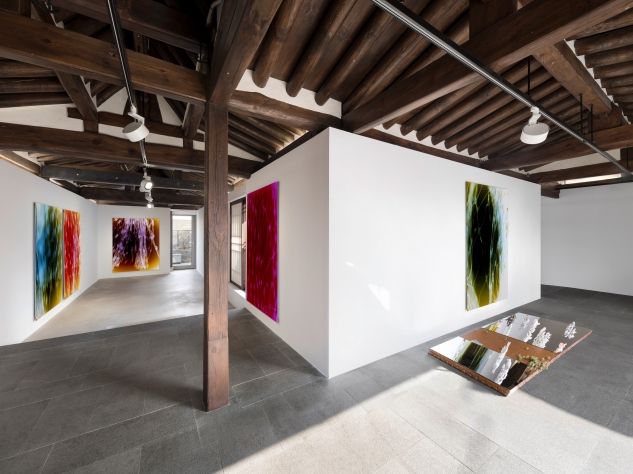
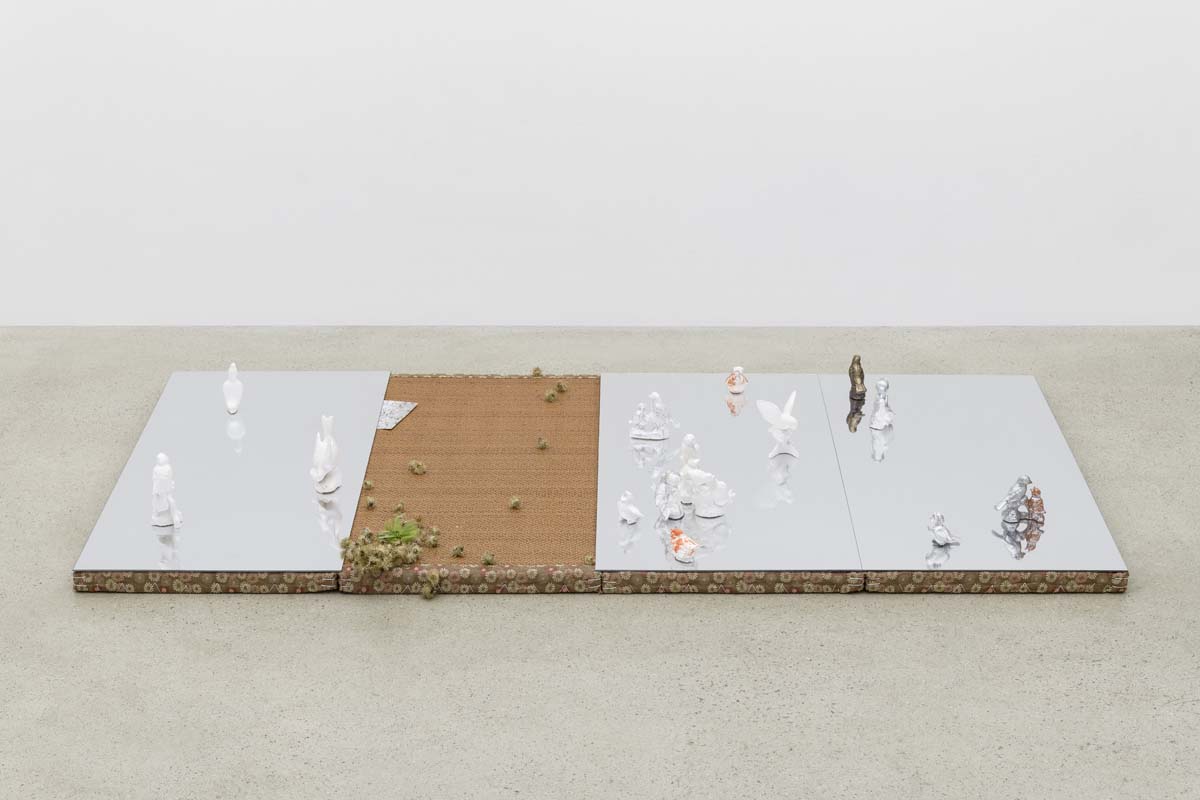
Kukje Gallery is pleased to present Chora, a solo exhibition by Korean Canadian artist Lotus L. Kang, on view in the Hanok and K3 spaces from March 19 through May 10. Marking the artist’s first solo presentation in Korea, the exhibition reflects on inheritance as an embodied condition—one that extends beyond lineage to encompass architecture, environment, and memory. Moving between the gallery’s traditional and contemporary exhibition spaces, Kang presents a spatial translation in which past and present cohabit without resolution.
The title of the exhibition draws from the concept of “chora” articulated by the Bulgarian-French philosopher Julia Kristeva (b. 1941), which describes a primordial space prior to fixed meaning or form. Likened to a mother’s womb, chora suggests a generative field—receptive, rhythmic, and continuously in flux. Kang approaches this notion as a framework for understanding space not as a mere container but as a site of nourishment and transformation. Across the exhibition, forms emerge from states that are neither fully solid nor fully void, but suspended in between.
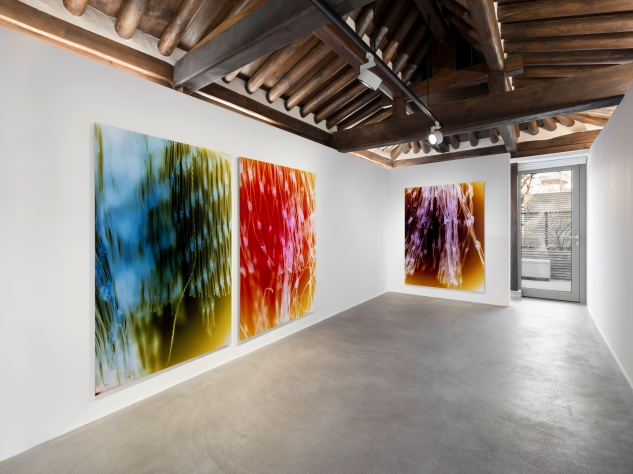
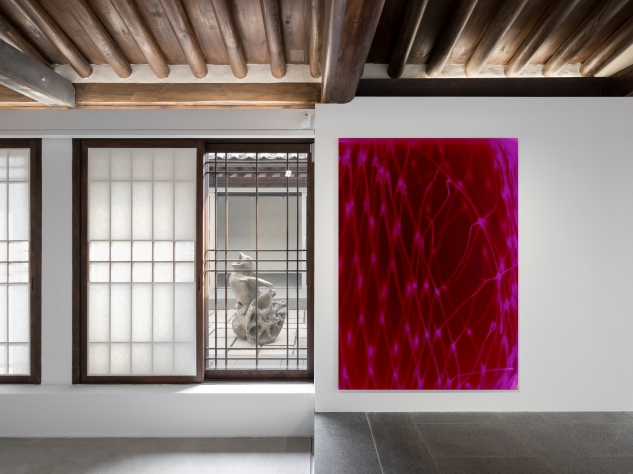
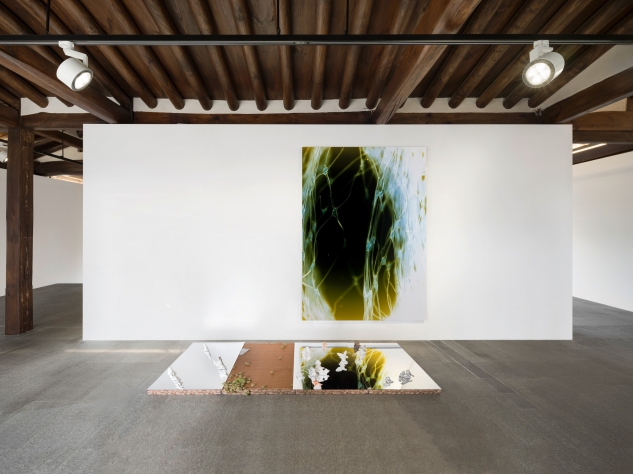
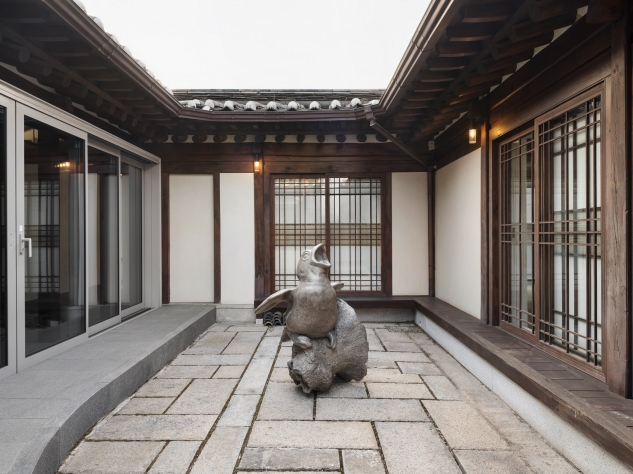
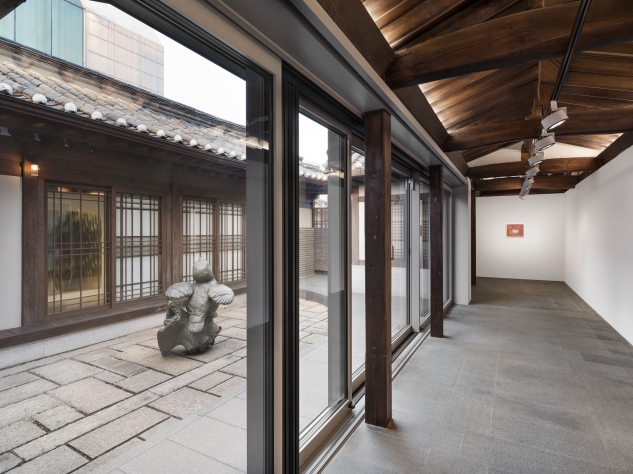
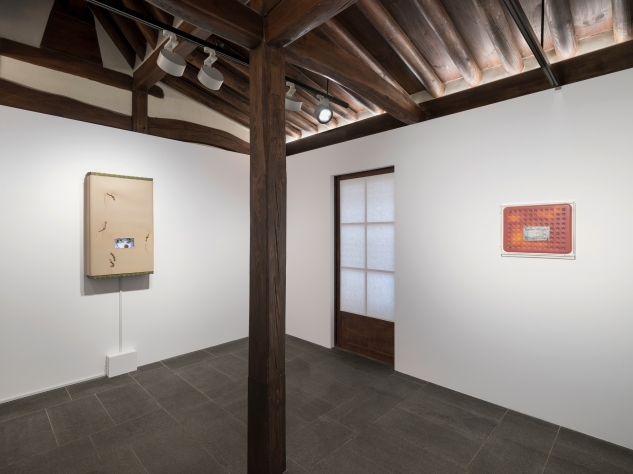
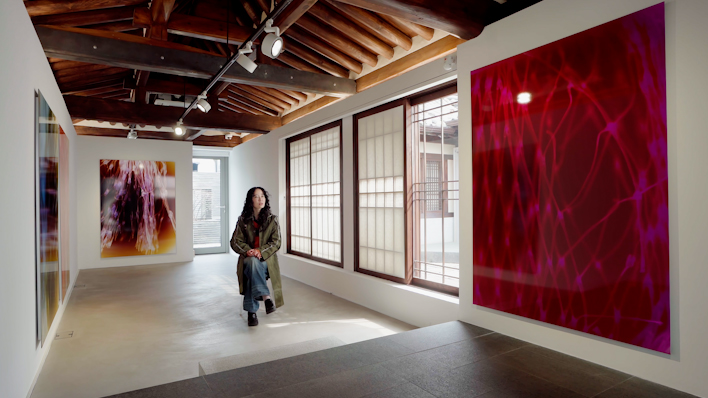
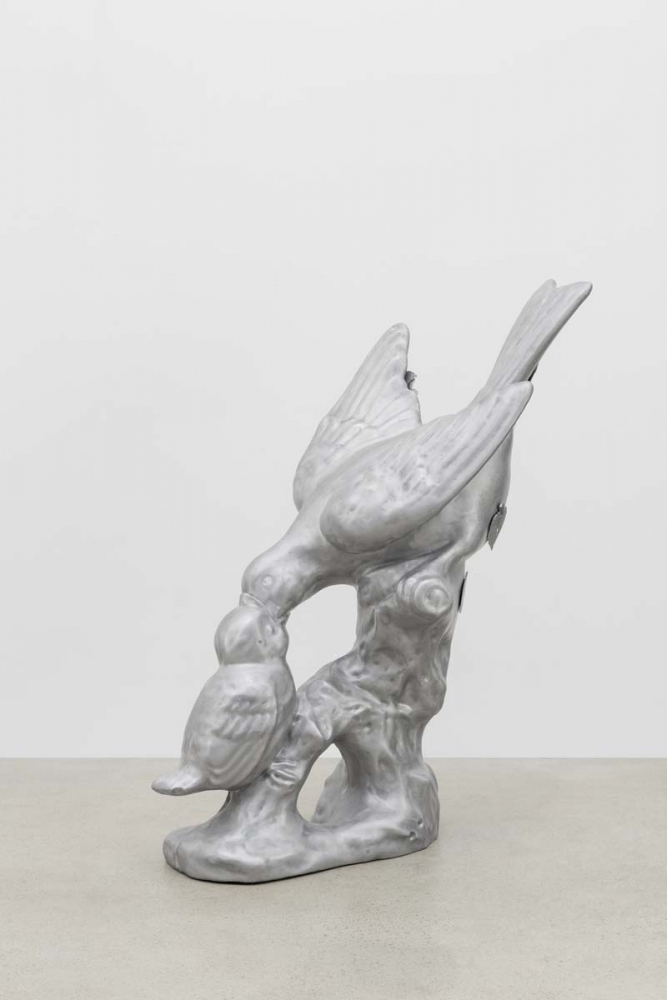
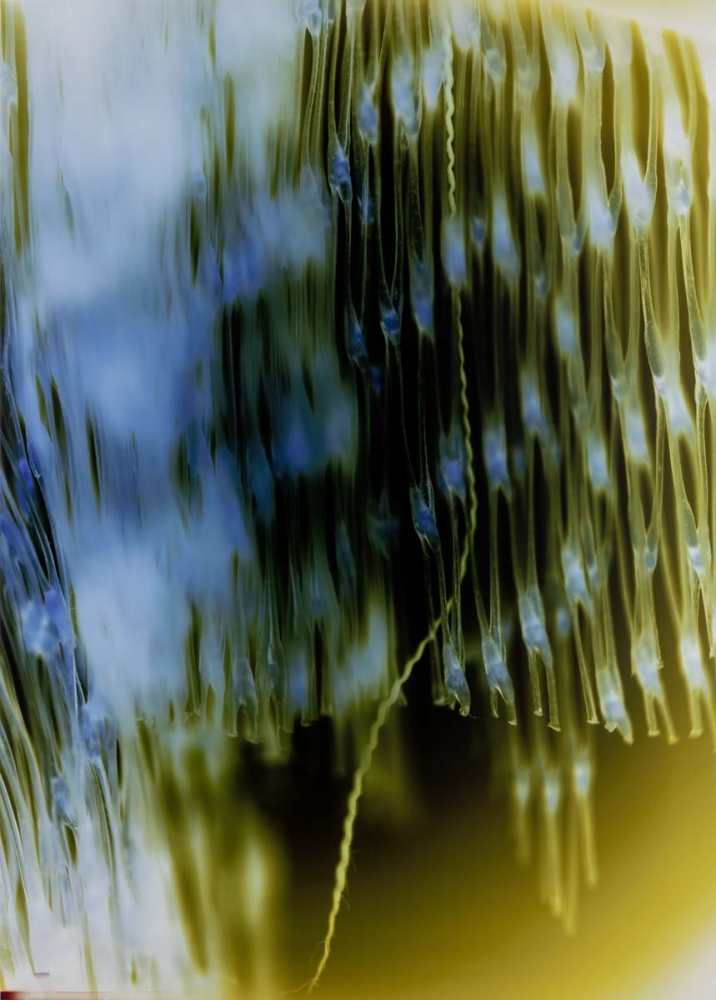
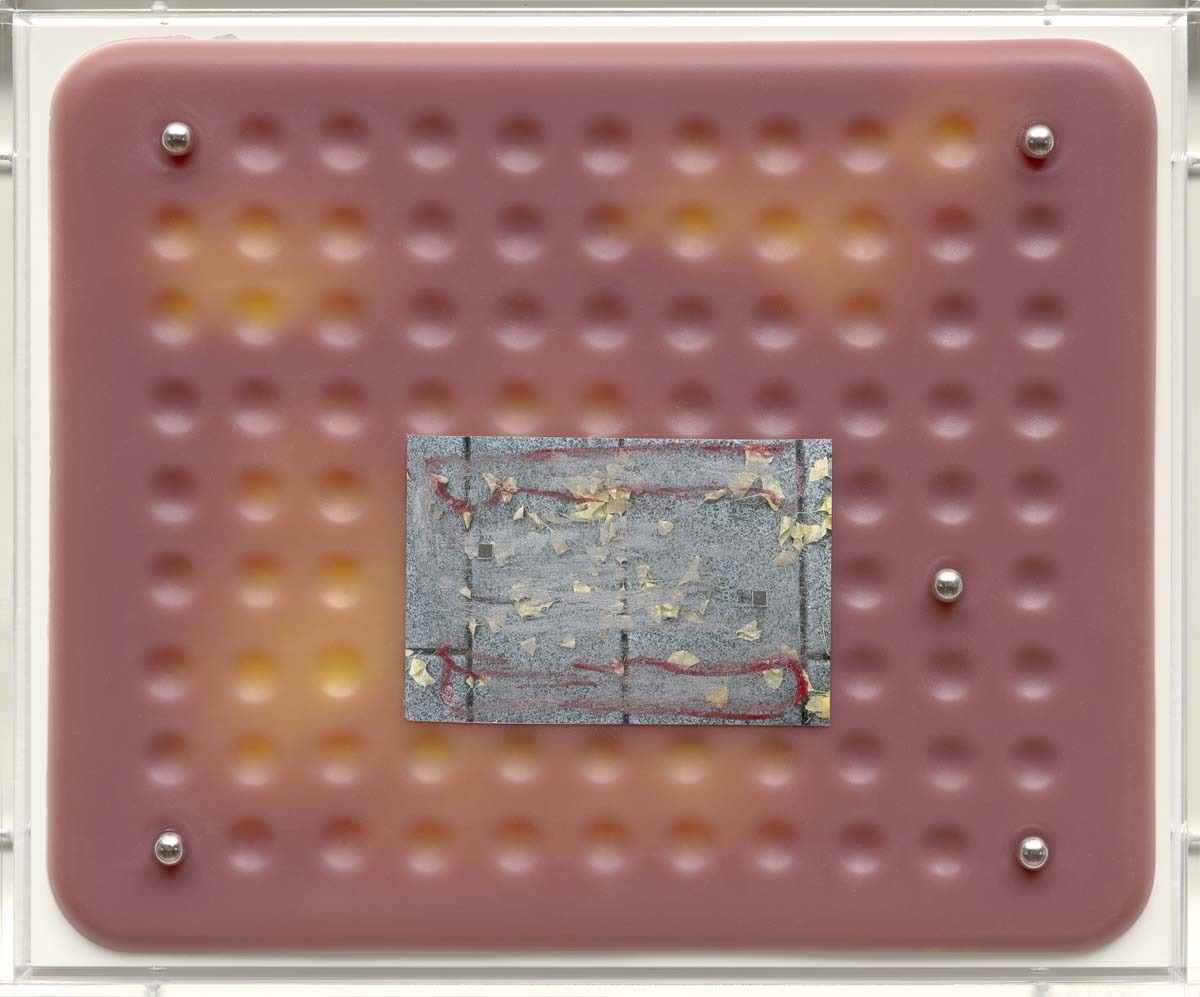
The exhibition begins in the Hanok space, where the traditional inner courtyard, madang, operates as both interior and exterior, a structural void that sustains the architecture surrounding it. Kang considers this “in-between” condition as an active force. Echoing the structure of a lotus root—whose perforations strengthen rather than weaken its body—the courtyard’s emptiness becomes generative. At the center of this chora is a crying baby bird, evoking potential and vulnerability, a beginning and end intertwined within the cycle of life and death. Within the architecture is work from Kang’s Mesoderm series composed of silicone, photograms, and cast elements that reference the embryonic germ layer from which muscle, bone, and connective tissue develop. Rather than depicting fixed imagery, these works suggest a state of formation—matter in the midst of becoming. This biological language is further articulated through Kang’s luminogram series, Synapse, in which the artist enlarges details of nylon-woven produce bags in a color darkroom, generating images that resemble biological and cellular structures, such as tendons and veins.
The space continues with tatami mats along both the floors and walls. Removed from their conventional horizontal placement, they resist functional stability. In this way, Kang shifts attention from their surface to their folds and margins—the edges where material bends, gathers, and holds traces—bringing the focus to their modularity and portability. Here, memory is not monumental but embedded within subtle creases and thresholds, received and transmitted through this device. The mats archive the experience of the artist’s grandmother, who fled North Korea and opened a grain shop in Seoul, often sleeping there to provide for her children. The tatami indexes multiple histories of not only the two Koreas, but also Japan and the United States, complicating notions of origin and belonging. They continue Kang’s interest in the body without representation. Kang both arrives at and departs from her heritage in the traditional Korean architecture.
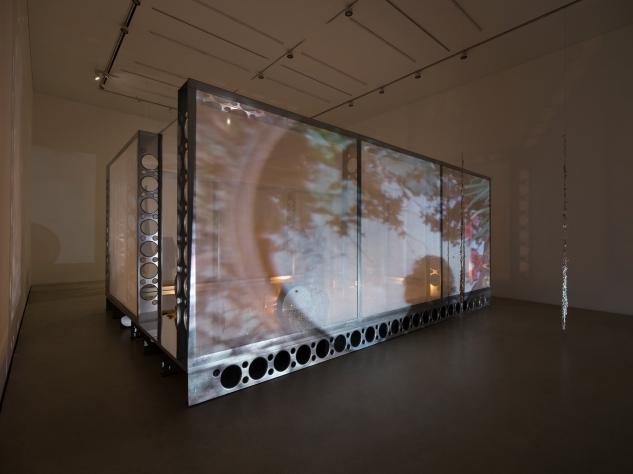
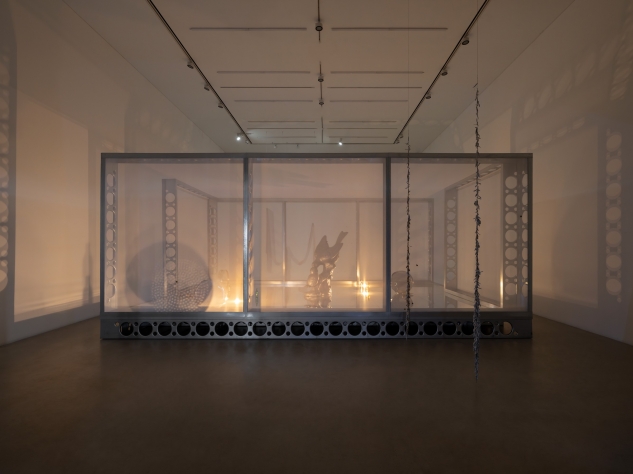
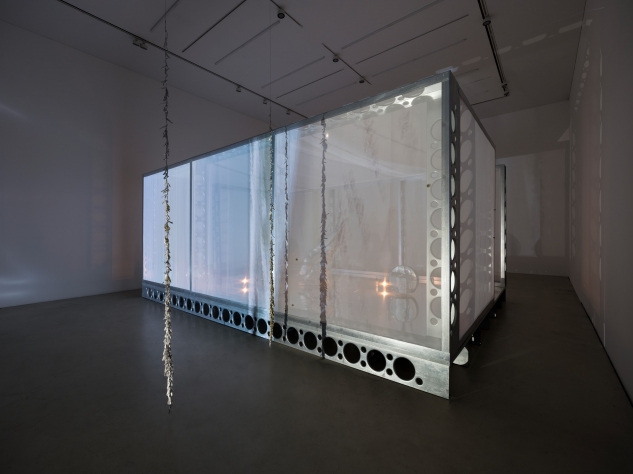
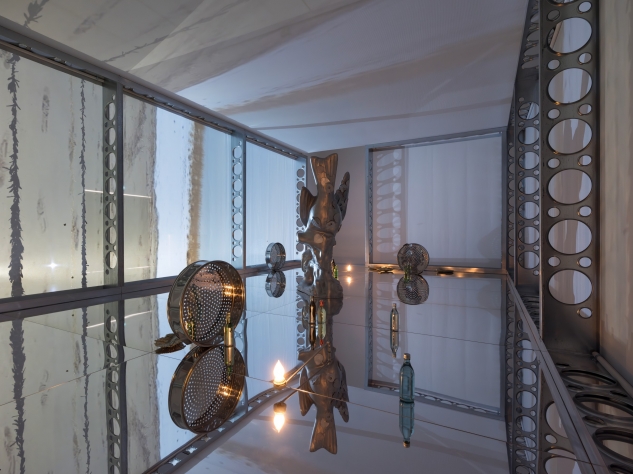
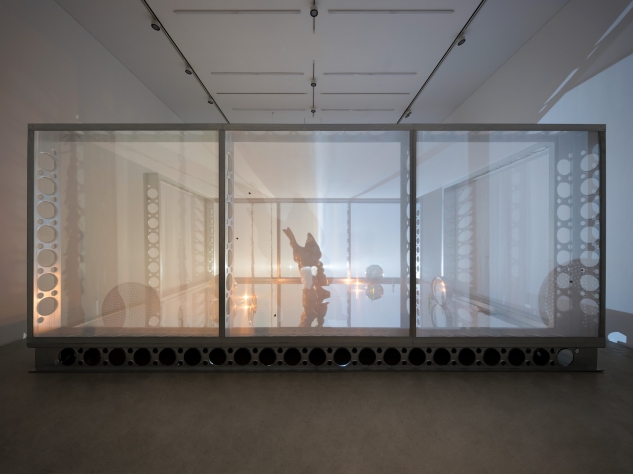
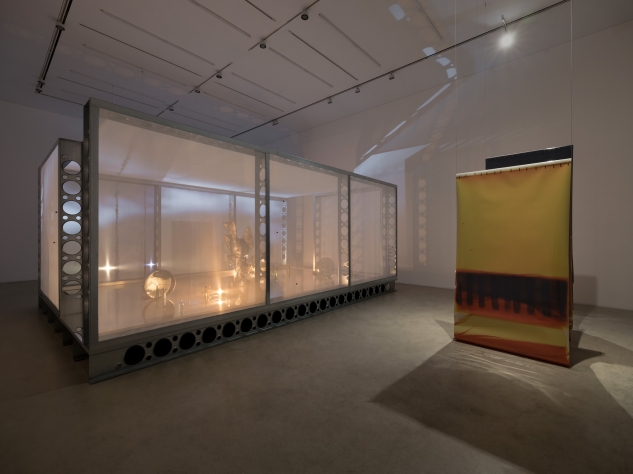
In K3, Kang translates and refracts the Hanok courtyard inside the contemporary architecture into a new work titled Chora Chora. Presented for the first time, the installation consists of intersecting steel joists creating a skeletal framework reminiscent of a lotus root’s porous structure. Covered with translucent fabric and installed on a mirrored floor that extends the space into apparent infinity, the installation destabilizes the notion of an architectural center—perhaps the most lucid embodiment of Kang’s understanding of her own identity. Neither full nor empty, Chora Chora transposes the artist’s different histories through a process of digestion that echoes how a baby bird is sustained through its mother’s regurgitation. Rather than adhering to chronological flow, the artist’s interpretation of the Hanok departs from linear time, layering different temporalities within a single space.
Projected onto the courtyard are 8mm and digital films, interweaving footage from the artist’s journey to mudflats in the Jeolla region of South Korea, alongside documentation of a ritual performance conceived on the artist’s 40th birthday. In this latter work, Kang recorded 49 circumambulations along a beach—a gesture that meditates on cycles of life, death, and return. These projections are in conversation with an array of bottles of alcohol in the courtyard, objects that welcome ancestors and spirits while also serving as earthly reminders of internal metabolic shifts. Suspended around the structure, chimes comprised of hundreds of cast aluminum and brass-bronze anchovies cast shadows that appear and disappear in relation to the projected film.
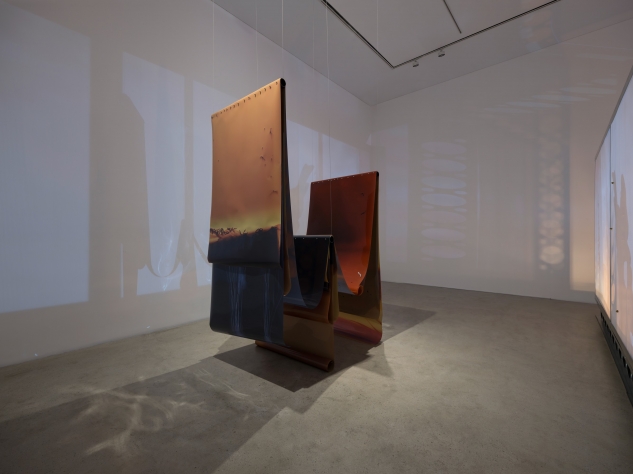
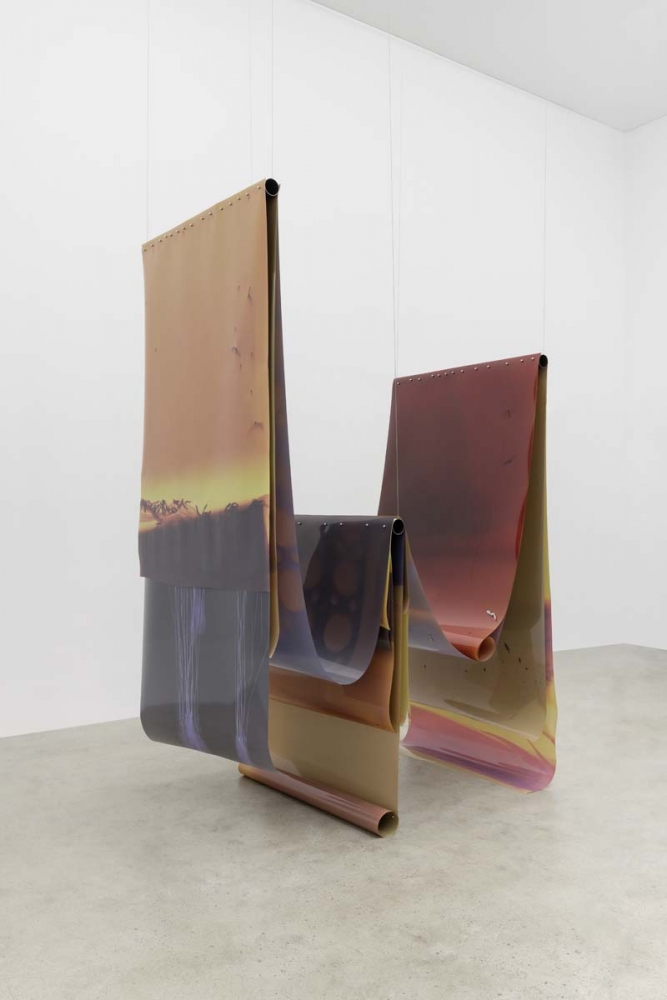
A cascade of industrial film behind the courtyard continues to register this time. In hues of pink, purple, and yellow, Kang calls these sheets of light-sensitive material “skins,” once again unsettling the boundary between inside and outside. Though skin conventionally separates the internal body from the external world, here the boundary of these layers is erased. Exposed to the raw environment of the artist’s greenhouse in upstate New York as well as her studio in the city, the films are misused and transformed through a process she calls “tanning,” absorbing traces of light, water, insects, and other coexisting elements, bringing them to a type of life which simultaneously destroys the image bearing capacity of the film. In the gallery, they continue to register their surroundings, holding traces of the time and environment Kang has composed.
About the Artist
Lotus L. Kang (b. 1985) was born in Toronto, Canada, and currently lives and works in Brooklyn, New York. Kang received her BFA from Concordia University in 2008 and MFA from Milton Avery School of the Arts at Bard College in 2015. She has held solo exhibitions at numerous institutions, including 52 Walker, New York (2025); Chisenhale Gallery, London (2023); Contemporary Art Gallery, Vancouver (2023); Museum of Contemporary Art Chicago (2023); Mercer Union SPACE, Toronto (2022); and Oakville Galleries (2019). She has also participated in group exhibitions at major institutions, including the 15th Shanghai Biennale (2025); Museum of Modern Art, New York (2025); Whitney Museum of American Art, New York (2024); Art Gallery of Ontario, Toronto (2023); and New Museum, New York (2021). In 2024, she was awarded a John Simon Guggenheim Memorial Foundation Fellowship in Fine Arts.
The artist gratefully acknowledges Denniston Hill for their ongoing support in facilitating space for her greenhouse, located within the ancestral territory of the Esopus people of Lenapehoking, otherwise known as Woodridge in the Southern Catskill Mountains.